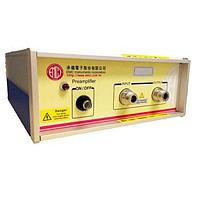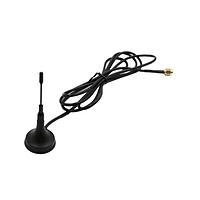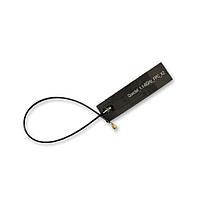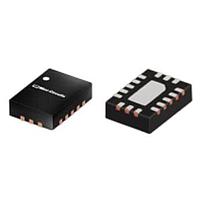
Telecom-TV Measurement
Reliable signal delivery depends on more than network capacity alone. In telecom and broadcast environments, engineers also need clear visibility into RF performance, transport quality, service continuity, and the behavior of connected infrastructure under real operating conditions. That is where Telecom-TV Measurement equipment becomes essential for installation, troubleshooting, maintenance, and long-term performance verification.
This category brings together instruments used to evaluate communication and television-related signals across field and lab workflows. Whether the task involves validating service quality, checking network behavior, isolating faults, or confirming compliance with operating targets, the right measurement approach helps reduce downtime and improves confidence in network decisions.
Where telecom and TV measurement fits in modern networks
Telecom and TV systems combine physical links, signal transport, switching, timing, and service-layer performance. As these environments become more complex, measurement is no longer limited to a single stage of deployment. Teams often need tools for commissioning, preventive maintenance, fault localization, and performance trending across multiple points in the network.
In practice, this may include checking optical and electrical paths, evaluating RF or broadcast signal integrity, validating data transport, and confirming that services are delivered within expected thresholds. For organizations working across adjacent infrastructure, it can also be useful to review related areas such as network switching and fronthaul platforms when measurement results point to transport-side issues.
Typical applications across telecom and broadcast workflows
Telecom-TV Measurement tools are commonly used in mobile backhaul, access networks, fiber links, broadcast distribution, headend environments, and field service operations. Engineers may use them to verify signal presence, measure quality degradation, inspect transmission paths, and compare live performance against expected network behavior.
These instruments are also relevant when diagnosing intermittent problems that are difficult to reproduce. A stable service issue may originate from attenuation, connector problems, timing mismatch, interference, or traffic-related behavior elsewhere in the infrastructure. In those cases, measurement data provides the evidence needed to move from assumption to root-cause analysis.
How to choose the right equipment for the job
Selecting an instrument starts with the measurement objective. Some users need a portable solution for field verification, while others require deeper analysis in a bench or lab setting. Important selection factors typically include signal type, interface environment, portability, required visibility, workflow speed, and whether the priority is quick go/no-go checking or detailed diagnostic analysis.
It is also worth considering how the instrument will fit into the broader test ecosystem. For example, teams supporting virtualized infrastructure or high-density computing environments may benefit from comparing requirements with cloud and data center environments, especially where transport, latency, and service availability intersect. A well-matched tool should support the real maintenance workflow rather than simply offer the longest feature list.
Leading manufacturers commonly used in this category
Several well-established test and measurement brands are relevant to telecom and TV applications. Suppliers such as ANRITSU, EXFO, KEYSIGHT, Fluke Network, and Rohde & Schwarz are widely associated with network testing, signal analysis, installation support, and service assurance tasks across different parts of the communications stack.
Each manufacturer may be better known for particular strengths, such as field portability, protocol visibility, RF analysis, transport validation, or infrastructure troubleshooting. The right choice depends less on brand familiarity alone and more on the actual test scope, required interfaces, and the level of analysis needed by field technicians, broadcast engineers, or network operations teams.
Common measurement priorities in deployment and maintenance
During rollout and routine service support, engineers usually focus on a few recurring priorities: signal quality, service continuity, fault isolation, and repeatability of results. Good measurement practice helps teams confirm whether a problem originates in the physical path, the active network layer, or the service payload itself.
For this reason, many organizations treat telecom and TV measurement as part of a broader operational strategy rather than a stand-alone purchase. If the environment also includes performance monitoring or analytics around evolving traffic patterns, adjacent areas such as AI networking may become increasingly relevant when interpreting network behavior at scale.
Why measurement data matters for troubleshooting
When issues affect customer experience, response time matters. Measurement tools help teams distinguish between a true infrastructure fault and a temporary service anomaly, allowing maintenance resources to be allocated more efficiently. This is especially important in distributed networks where replacing hardware without clear evidence can increase cost and extend outage windows.
Actionable test results also improve communication between field staff, system integrators, and operations teams. Instead of reporting a vague symptom, users can document measurable deviations, compare conditions over time, and build a more structured escalation path. That makes diagnostics faster and helps preserve consistency across service teams.
Building a practical measurement workflow
A useful workflow usually combines baseline verification, periodic checks, and targeted diagnostics during incidents. In early deployment, measurement confirms that installation quality and initial performance are within expected ranges. Over time, repeat testing provides a reference for identifying drift, deterioration, or newly introduced issues.
For organizations that handle both transmission and service validation, it can be helpful to align telecom and TV measurement with broader network lifecycle management. The most effective setup is often not the most complex one, but the one that allows technicians and engineers to collect dependable data quickly, interpret it accurately, and act on it with minimal delay.
Conclusion
Choosing the right telecom and TV measurement equipment starts with understanding the signals, interfaces, and operational questions you need to answer. From field troubleshooting to network validation and ongoing maintenance, the category supports a wide range of tasks where dependable measurement directly affects service quality and engineering efficiency.
If you are comparing options in this area, focus on practical test requirements, application fit, and how the instrument will support your wider network environment. A well-selected solution helps turn complex telecom and broadcast conditions into clear, usable insight for deployment, maintenance, and performance improvement.
Get exclusive volume discounts, bulk pricing updates, and new product alerts delivered directly to your inbox.
By subscribing, you agree to our Terms of Service and Privacy Policy.
Direct access to our certified experts