Pressure sensor
Accurate pressure data sits behind a wide range of industrial and electronic systems, from fluid control and HVAC equipment to medical devices, laboratory instruments, and embedded control boards. Choosing the right pressure sensor is not only about pressure range, but also about output type, mounting method, media compatibility, and how the signal will be used inside the wider measurement or automation system.
On this page, you can explore pressure sensing components used for both board-level integration and system-level measurement. The category is relevant for engineers, buyers, and maintenance teams that need dependable sensing elements for pressure monitoring, control, and equipment design.
Where pressure sensors are used
Pressure sensors convert physical pressure into an electrical signal that can be interpreted by controllers, displays, data acquisition systems, or embedded electronics. In practice, they are used in pneumatic systems, liquid handling, filtration monitoring, leak detection, process control, and environmental measurement.
Depending on the application, the sensing task may involve gauge, differential, vacuum, or sealed measurement. In some installations, a sensor is part of a larger monitoring setup together with displays or logging devices, while in others it is integrated directly into OEM equipment. For broader readout-oriented solutions, related tools such as pressure, temperature and humidity monitors may also be relevant.
Typical sensor formats in this category
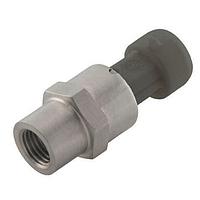
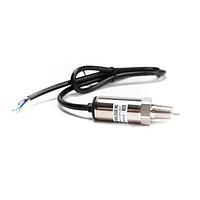
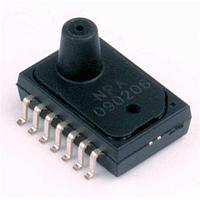
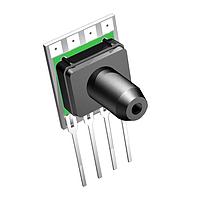
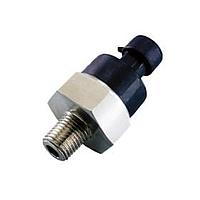
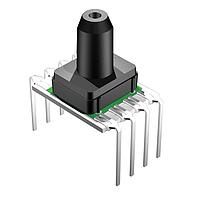
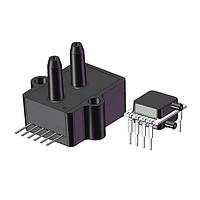
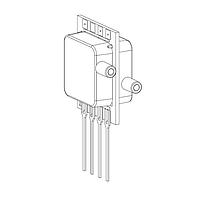
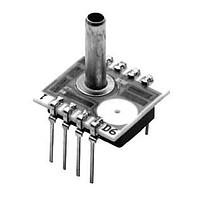
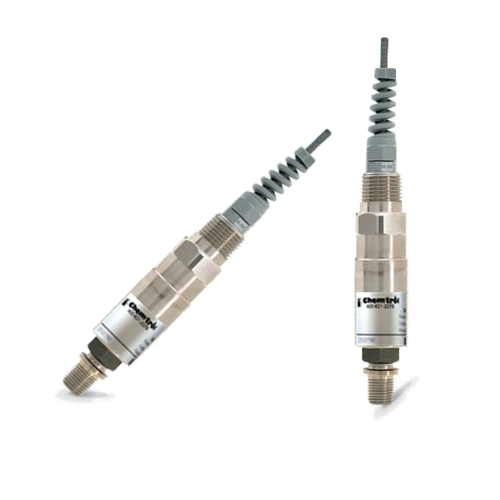
This category covers pressure sensing devices used in both compact electronics and industrial assemblies. Some models are intended for board mount integration, making them suitable for control boards, instrumentation modules, and compact OEM products. Others are designed for more robust installation where pressure ports, housing style, and environmental resistance matter more.
Common configurations include differential sensing for measuring pressure differences across filters or airflow paths, vented gauge sensing for relative pressure to ambient atmosphere, and low-pressure devices for sensitive measurement tasks. In many designs, selection also depends on whether the application needs analog bridge output, conditioned voltage output, or a signal path that will later be amplified and digitized.
What to consider when selecting a pressure sensor
A practical selection process starts with the pressure type and operating range. Differential sensors are often chosen for airflow, filter status, and low-pressure system monitoring, while gauge sensors are common when measuring pressure relative to atmospheric conditions. If the required range is too wide or too narrow for the real operating point, measurement resolution and control performance can suffer.
The next factor is signal integration. Some devices in this category are suitable for direct PCB installation and may use Wheatstone bridge style output, which can be ideal for custom electronics but requires proper signal conditioning. Temperature behavior, mechanical port style, supply voltage, and terminal format also affect integration effort, especially in compact equipment or high-volume product design.
For field troubleshooting or portable verification, users sometimes pair installed sensors with separate handheld instruments such as manometers to compare readings during commissioning or maintenance.
Examples from Amphenol for different design needs
Amphenol is one of the notable manufacturers represented in this category, with models that address both low-pressure and general-purpose sensing requirements. Examples such as the Amphenol DLC-L01G-U2, Amphenol DLC-L10D-D4, and Amphenol MLV-015DE1BSN illustrate the variety of package and application profiles found in pressure sensing portfolios.
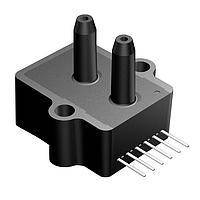
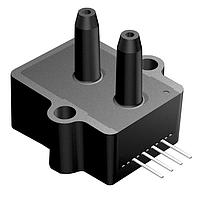
For applications requiring differential pressure measurement at relatively low ranges, models such as the Amphenol 20 INCH-D-MV and Amphenol 30 INCH-D-MV show the kind of board-mount approach often used in airflow and instrumentation design. For compact embedded products, options like the Amphenol NPC-100 or NPC-1220-005G-3L are more representative of sensor components intended to be built into electronic assemblies rather than used as standalone meters.
Other listed parts, including Amphenol ELVH-B001D-HNND-C-NAA4, ELVH-100G-HAND-C-P2A4, NPI19A005GV, ELVH-M100D-HRRD-C-N4A4, and NPI15A352SH, reflect how this category serves a broad mix of pressure ranges and implementation needs without forcing every design into the same sensor form factor.
Board-level integration vs. installed measurement points
One useful way to narrow down the category is to think about where the sensor will physically live. If the sensing element is going onto a control PCB inside an instrument, package footprint, soldering method, and electrical interface become key priorities. In that case, signal conditioning, calibration strategy, and thermal behavior are often discussed early in the design process.
If the sensor is closer to the process itself, the emphasis shifts toward port connection, tubing layout, pressure spikes, contamination risk, and long-term stability. For mobile service or negative-pressure applications, users may also review related measurement solutions such as portable vacuum pressure instruments when a temporary or diagnostic tool is needed alongside fixed sensors.
How pressure sensors fit into a wider measurement system
A pressure sensor rarely works in isolation. In real systems, it often sits upstream of a controller, transmitter, PLC input, display unit, alarm logic, or cloud-connected monitoring platform. That is why electrical compatibility and signal interpretation matter just as much as the raw pressure specification.
In environmental and atmospheric applications, users may also compare sensor-based solutions with dedicated devices like a barometer, especially when the goal is ambient pressure tracking rather than closed-system process sensing. In hydraulic systems, the sensor may instead be one element within a broader pressure verification workflow that includes gauges or hydraulic test equipment.
Thinking in terms of the full signal chain helps reduce integration risk. It also makes it easier to choose between a compact sensing element, a more application-ready transducer, or a standalone measurement instrument depending on whether the goal is OEM design, process monitoring, or maintenance diagnostics.
Buying guidance for engineering and B2B sourcing teams
For procurement teams, selecting the right part usually means aligning technical requirements with availability and integration constraints. It helps to confirm the pressure reference type, mounting style, pressure port format, supply conditions, and expected operating environment before comparing part numbers. Small differences at this stage can have a large impact on redesign effort later.
For design engineers, it is equally important to consider calibration workflow, mechanical packaging, and the downstream electronics needed to make the sensor signal usable. A device with a bridge output may be a strong fit for a custom design, while another project may benefit from a more directly usable output depending on the architecture of the end product.
Find the right pressure sensor for your application
This category brings together pressure sensing options for both embedded electronics and broader industrial measurement tasks. Whether you are building a compact PCB-based device, monitoring airflow or low differential pressure, or sourcing components for a larger control system, the right choice depends on matching sensing principle, output behavior, and mechanical integration to the real operating conditions.
By reviewing application needs first and then narrowing by sensor format and signal type, it becomes easier to identify parts that fit your design with fewer compromises. That approach leads to more stable measurement performance and a smoother path from specification to deployment.
Get exclusive volume discounts, bulk pricing updates, and new product alerts delivered directly to your inbox.
By subscribing, you agree to our Terms of Service and Privacy Policy.
Direct access to our certified experts