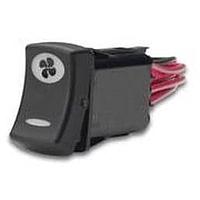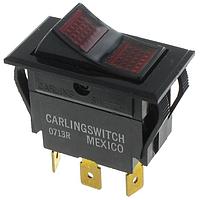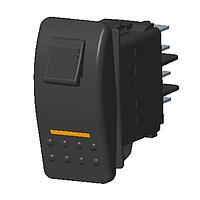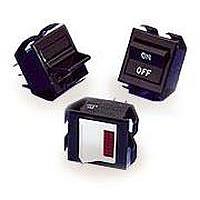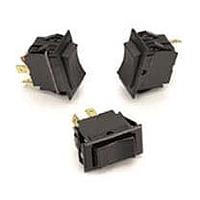
Rocker Switches
Choosing the right switch often comes down to how equipment is used in the real world: repeated manual operation, panel space limits, environmental exposure, and the need for clear on/off feedback. In many industrial and commercial devices, Rocker Switches remain a practical option because they are easy to actuate, simple to identify at a glance, and well suited to operator-facing control panels.
Within switch assemblies for machinery, enclosures, power distribution panels, and electronic equipment, this category supports applications where dependable manual switching is more important than unnecessary complexity. Whether the goal is basic power control, mode selection, or user interface integration, rocker-style actuation is widely used across industrial automation and B2B equipment design.
Where rocker switches fit in industrial switching systems
A rocker switch is typically chosen when operators need a clear mechanical action and visible switching position. The rocking motion helps users quickly understand whether a function is engaged or disengaged, which is valuable in equipment that must be operated efficiently during setup, production, maintenance, or routine use.
Compared with other switching formats, rocker designs are often selected for front-panel accessibility and intuitive handling. In broader switching systems, they may be used alongside control switches for machine interface functions or paired with dedicated safety devices where application requirements call for separate emergency actuation methods.
Common applications and operating environments
These switches are commonly found in industrial control panels, power entry sections, test benches, commercial appliances, mobile equipment interfaces, and various operator stations. Their format makes them suitable for applications where users need a direct manual input without the complexity of more specialized switching hardware.
In practice, selection depends on more than just form factor. Buyers often evaluate mounting constraints, expected switching frequency, tactile response, panel layout, and how clearly the switch state can be recognized by technicians or machine operators. In environments where safety-related shutdown is required, a rocker switch is usually complemented by a separate device such as emergency stop switches rather than used as a substitute.
What to consider when selecting rocker switches
The most useful way to compare options is to start from the application rather than the part shape alone. Important factors typically include circuit function, actuator style, electrical load expectations, mounting method, and the surrounding operating environment. For OEMs and maintenance teams, consistency with existing panel cutouts and wiring practices can also influence the final choice.
It is also worth considering the operator experience. A well-matched switch should provide clear actuation feedback, support the intended control logic, and align with the visibility requirements of the panel design. For equipment exposed to frequent use, attention to long-term durability and interface quality helps reduce replacement cycles and service interruptions.
Relationship to other industrial switch categories
Rocker switches cover a specific part of the switching landscape: convenient manual actuation at the device or panel level. They are not intended to replace every other switch type. For example, applications involving line isolation or maintenance lockout may be better aligned with disconnect switches, while specialized signal-routing applications may call for different technologies entirely.
This distinction matters when building or maintaining industrial systems. A strong switch selection strategy looks at the role of each device in the overall control architecture, from user-operated panel switches to safety and isolation hardware. That broader view helps ensure the chosen component supports both usability and system intent.
Manufacturer options and sourcing context
This category may include solutions from established manufacturers used across industrial automation and electronic equipment design. Brands such as Honeywell, C&K, Eaton, Alps Alpine, and Alcoswitch - TE Connectivity are often associated with switch components used in professional and industrial settings, while other listed manufacturers can support broader control and interface requirements depending on the application.
When comparing manufacturer lines, B2B buyers typically look for a balance of mechanical design fit, sourcing continuity, and compatibility with the intended equipment platform. For design engineers, maintenance teams, and procurement specialists alike, it is usually more effective to match the switch to the operating context than to choose based on brand name alone.
How rocker switches support panel design and maintenance
From a panel-building perspective, rocker switches can help streamline the human interface by offering a familiar control element that is quick to understand during operation and troubleshooting. This can be useful in systems where multiple operators interact with the same machine over time, especially when straightforward visual status recognition is important.
For maintenance teams, a switch category with recognizable form factors and widely used mounting styles can simplify replacement planning and service workflows. In retrofit situations, the key is often to review the original application conditions carefully so the replacement maintains the intended switching behavior, panel compatibility, and operator usability.
Choosing the right category for the job
If the requirement is a user-facing switch for regular manual operation, rocker switches are often a sensible starting point. If the application involves safety pull-wire systems, RF path selection, or higher-level isolation functions, a different category may be more appropriate. For example, conveyor or perimeter safety applications may be better served by cable pull switches designed around that specific use case.
A practical selection process begins with the real function the switch must perform: operator control, circuit isolation, emergency stopping, or application-specific switching. That approach makes it easier to narrow the options and identify products that fit the equipment, the panel design, and the maintenance expectations of the site.
Final considerations
Rocker switches remain relevant because they solve a common industrial need with a straightforward interface: reliable manual switching that is easy to use and easy to interpret. For machine builders, integrators, and industrial buyers, the right choice depends on application fit, panel design requirements, and the role the switch plays within the wider system.
When reviewing this category, it helps to evaluate not only the switch itself but also the surrounding control strategy, safety requirements, and servicing needs. That broader perspective leads to better component selection and a more consistent operator experience across industrial equipment.
Get exclusive volume discounts, bulk pricing updates, and new product alerts delivered directly to your inbox.
By subscribing, you agree to our Terms of Service and Privacy Policy.
Direct access to our certified experts