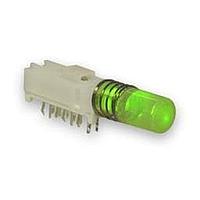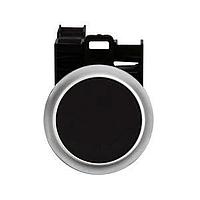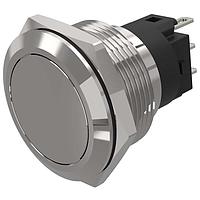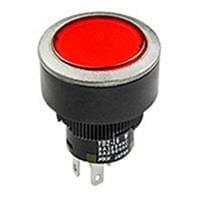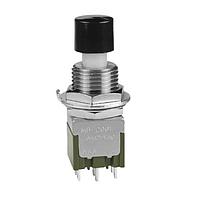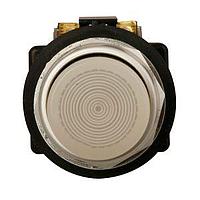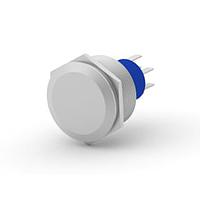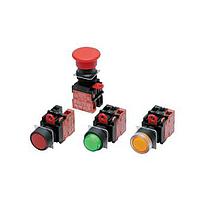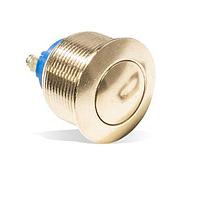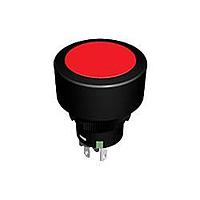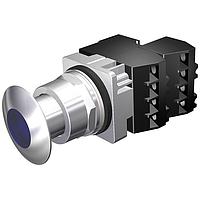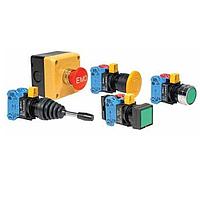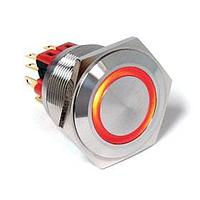
Pushbutton Switches
In control panels, operator stations, machinery interfaces, and compact equipment, a simple manual input often needs to be reliable, clear, and easy to actuate. Pushbutton switches remain one of the most practical ways to start, stop, reset, confirm, or trigger a function in industrial and electronic systems where direct human interaction matters.
This category brings together switch options used across automation, electrical assemblies, instrument panels, and embedded hardware. Whether the priority is tactile response, installation style, panel layout, or electrical compatibility, selecting the right pushbutton device helps improve both operator usability and long-term system performance.
Where pushbutton switches are commonly used
Pushbutton switches are found in a wide range of applications, from machine control interfaces and test fixtures to compact enclosures and auxiliary operator panels. In industrial environments, they are often chosen for commands that need a deliberate, repeatable action, such as start, stop, acknowledge, jog, or reset.
They are also relevant in non-heavy-duty assemblies where space, feel, and mounting flexibility are important. Depending on the system design, a pushbutton may serve as a momentary input for a controller or relay circuit, or as part of a more visible operator interface alongside indicators and other control switches.
Key selection factors for industrial and panel applications
Choosing a pushbutton switch usually starts with the operating requirement rather than the switch body itself. Engineers and buyers typically review whether the function should be momentary or maintained, how often the switch will be pressed, and what kind of feedback the operator needs during use. These points have a direct effect on usability and on how the switch fits into the wider control logic.
Mechanical format is equally important. Panel thickness, mounting diameter, terminal style, and actuator shape all influence installation efficiency and serviceability. In many projects, the right choice is the one that balances operator access, electrical integration, and the environmental demands of the equipment enclosure.
Understanding the role of pushbuttons in a switch ecosystem
Pushbutton switches do not operate in isolation. In a practical control scheme, they are often combined with devices intended for isolation, signaling, or safety functions. For example, a standard pushbutton may be used for routine machine commands, while a dedicated emergency stop switch is reserved for fast manual intervention under fault or hazardous conditions.
Likewise, applications that require power isolation or maintenance lockout may depend on disconnect switches rather than a basic command input. Looking at the switch category as a system helps avoid mismatched device selection and supports safer, more intuitive panel design.
Design considerations that affect usability
A good pushbutton is not only electrically compatible; it also needs to make sense for the person using the machine or equipment. Actuation force, button travel, tactile feel, and visual identification can all influence operator confidence. On crowded panels, the spacing between controls and the shape of the actuator may affect how quickly a user can identify the correct command.
In some projects, the pushbutton is part of a high-frequency routine, so consistency of feel becomes especially important. In other cases, it may be pressed only occasionally, but still needs to remain dependable after long idle periods. This is why designers often evaluate both the human interface aspect and the expected duty cycle before finalizing a part choice.
Manufacturer options and sourcing context
This category may include products associated with widely recognized switch and interface component brands such as Alcoswitch - TE Connectivity, Alps Alpine, Autonics, Banner Engineering, CHERRY, and C&K. Each manufacturer is commonly considered in different sourcing scenarios depending on the intended application, preferred form factor, and overall system architecture.
For procurement teams and design engineers, brand selection is often tied to consistency, availability, and fit within an existing bill of materials. Rather than focusing only on the manufacturer name, it is usually more useful to compare mounting approach, switching behavior, panel integration, and the practical requirements of the target equipment.
How to narrow down the right option
A structured selection process can make this category easier to navigate. Start by defining the intended function of the switch, then confirm whether the installation is panel-mounted, PCB-based, or part of a custom operator assembly. After that, review the electrical side of the application, including circuit type, signal level, and how the switch interacts with relays, PLC inputs, controllers, or other hardware.
It is also worth considering maintenance and replacement over the life of the equipment. If the switch is exposed to frequent use, dust, moisture, or repeated cleaning, the housing and actuator design become more important. In specialized applications, adjacent categories such as cable pull switches may be more suitable when the required interaction is distributed along a machine line rather than concentrated at a single push point.
Practical buying considerations for B2B users
For OEMs, panel builders, maintenance teams, and industrial distributors, purchasing decisions often go beyond the individual switch. Standardization across control panels, compatibility with existing cutouts, and ease of field replacement can simplify both assembly and after-sales support. These considerations are especially relevant when managing multiple machine variants or long product lifecycles.
Documentation quality and product consistency also matter in B2B environments. A pushbutton switch that aligns with the intended control architecture can help reduce wiring complexity, minimize operator confusion, and support a cleaner overall interface design. That makes category-level selection an important part of system reliability, not just a small component decision.
Conclusion
When a machine or device depends on clear manual input, the choice of pushbutton switch affects both function and user experience. The most suitable option is usually the one that matches the control task, installation constraints, and operating environment without adding unnecessary complexity.
By reviewing application needs, interface design, and the broader switch ecosystem, buyers and engineers can select pushbutton switches that fit naturally into industrial panels, equipment controls, and electronic assemblies. A careful choice at this stage helps support dependable operation and a more intuitive control system overall.
Get exclusive volume discounts, bulk pricing updates, and new product alerts delivered directly to your inbox.
By subscribing, you agree to our Terms of Service and Privacy Policy.
Direct access to our certified experts