
10/15/2026 15:27:19
Deciphering motor mechanics, PID closed-loop control, and magnetic-coupling physics for suspended cell samples and shear-sensitive solutions.
Deciphering motor mechanics, PID closed-loop control, and magnetic-coupling physics for suspended cell samples and shear-sensitive solutions.
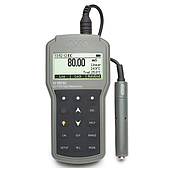
By mastering degradation mechanisms and implementing proper maintenance techniques, technicians can fully restore electrode sensitivity, ensuring stable equipment operation and significantly extending replacement cycles.

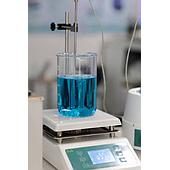
Many laboratories still rely on older-generation hotplates equipped with mechanical control knobs, the markings on which have long since faded. Technicians are often forced to stand by and constantly monitor temperatures; samples are frequently prone to localized overheating which compromises the accuracy of analytical results while the risk of spilled solvents seeping into the control circuitry poses a constant threat of equipment failure. In recent years, there have been significant advancements in microprocessor technology, heating plate materials, and magnetic stirring systems. This article addresses all technical questions to consider when evaluating the replacement of such equipment

Power integrity requires more than applying simple decoupling-capacitor rules of thumb. As IC processes reach gigahertz levels, lower-speed circuitry also needs more careful consideration.

Power electronics and power integrity aim to deliver suitable voltages, currents, and noise characteristics, yet differences in tools, vocabulary, and figures of merit can hinder alignment.
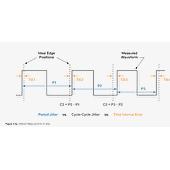
Clock jitter can interfere with digital circuits, including high-speed ADCs. High-speed clocks may be sensitive to power cleanliness, while quantifying that relationship takes careful effort.
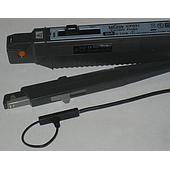
A Rogowski coil produces a voltage related to the rate of change of enclosed current. Integration converts that signal to one proportional to current, but the method does not operate at DC.
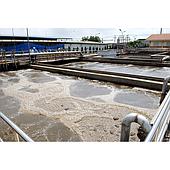
Decree No. 08/2022/ND-CP (updated and amended by Decree No. 48/2026/ND-CP) sets strict regulations on emissions monitoring and administrative penalties for business, production, and service establishments.

Solution for standardized experimental temperature control, featuring a premium chemical-resistant, ceramic-coated aluminum top plate from DaiHan Scientific (South Korea)

Strictly controlling water environment parameters—from farming to preliminary processing—is not only a technical requirement to overcome technical barriers to trade (TBT) and sanitary and phytosanitary (SPS) measures, but also the key to protecting corporate reputation.
Get exclusive volume discounts, bulk pricing updates, and new product alerts delivered directly to your inbox.
By subscribing, you agree to our Terms of Service and Privacy Policy.
Direct access to our certified experts