
09/16/2026 14:35:32
Mycotoxins in grain may affect dairy cow health and feed quality. Review practical storage, moisture-monitoring, hygiene, and testing considerations.
Mycotoxins in grain may affect dairy cow health and feed quality. Review practical storage, moisture-monitoring, hygiene, and testing considerations.

A measurement toolkit for solar PV installers does not necessarily need to contain a large number of instruments or excessive functions. What matters is having the right tool for each task on the roof: measuring DC voltage, checking string current, verifying polarity, testing insulation, checking grounding, or commissioning the entire system.

Rooftop solar PV arrays are installed at elevated locations and contain numerous metal frames, aluminum rails, and long cable runs across the roof. As the stormy season approaches, the grounding and lightning protection systems should be inspected to ensure that fault current and lightning current can follow the intended paths.
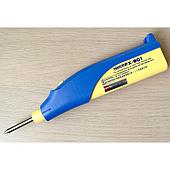
Before contacting the material, a handheld soldering iron mainly heats the soldering tip. Once soldering begins, heat is continuously transferred from the tip to the material. If the heat supply is not sufficient to compensate for heat loss, the temperature at the contact area drops and the processing time increases

In the semiconductor testing and measurement sector—where every nanosecond and microvolt can determine the success or failure of a chip design—choosing the right test equipment has never been simply a matter of comparing specifications on paper.
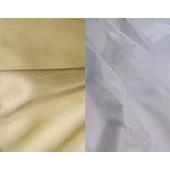
Nylon fabric yellowing is a surface color change in which white or light-colored material turns yellow when exposed to light, heat, or chemicals. Therefore, a fabric color fastness tester is an essential part of the quality control process, helping manufacturers evaluate color stability before discoloration occurs in finished products.
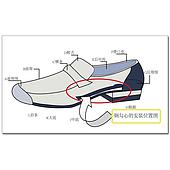
Steel shanks are concealed components that connect the heel and forefoot area of many shoes. Evaluating their hardness, fatigue resistance, stiffness, and bending performance supports footwear quality control.
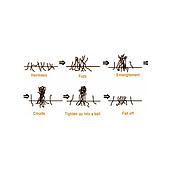
Fabric pilling is a common phenomenon that occurs after a period of wearing, washing, or using textile products due to friction during use. In quality control, evaluating a fabric’s resistance to pilling provides manufacturers with additional information to assess its suitability for the intended application.
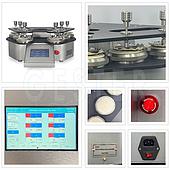
A practical overview of textile abrasion resistance, the effects of repeated friction, and the two commonly used testing approaches: Martindale and Taber.
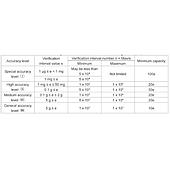
A practical guide to operating, inspecting, and maintaining a laboratory balance, with attention to leveling, stable readings, repeat checks, and careful cleaning.
Get exclusive volume discounts, bulk pricing updates, and new product alerts delivered directly to your inbox.
By subscribing, you agree to our Terms of Service and Privacy Policy.
Direct access to our certified experts