Tactile Switches
In compact electronic interfaces, a clear and reliable button response often matters just as much as the circuit behind it. Tactile switches are widely used where operators need a momentary input with noticeable feedback, helping improve usability in control panels, handheld devices, test equipment, consumer electronics, and embedded designs.
This category brings together tactile switch options for applications that demand compact size, repeatable actuation, and straightforward PCB integration. Whether you are selecting parts for a new design or replacing a switch in an existing assembly, the right choice usually depends on mounting style, actuation feel, operating force, button height, and the overall mechanical constraints of the product.
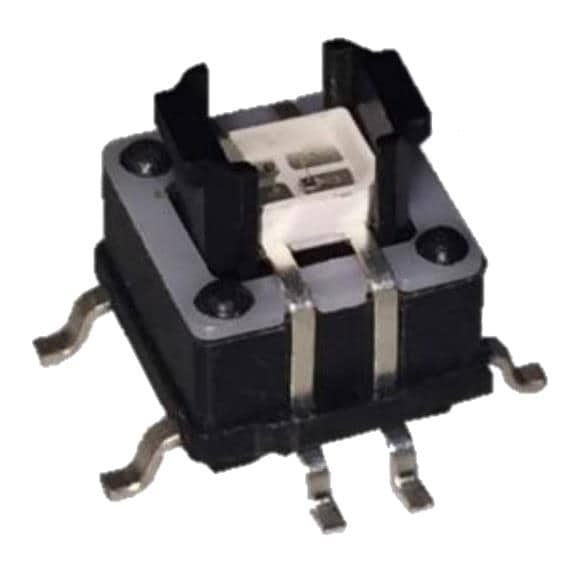
Where tactile switches are commonly used
A tactile switch is typically chosen for momentary switching where a short press triggers a function and the switch returns to its original state after release. This makes it suitable for user input points such as menu keys, reset buttons, portable instruments, communication devices, small appliances, and industrial electronics with limited front-panel space.
Compared with larger switch types, tactile designs are especially useful when engineers need a compact footprint and a defined click or press sensation. In many products, they are part of a broader switching ecosystem that may also include safety switches for machine protection or solid state switching devices for non-mechanical control tasks.
Key selection factors for design and sourcing
When comparing tactile switches, the first consideration is usually the mechanical interface. Engineers often start with package dimensions, switch height, actuator shape, and mounting style, because these directly affect enclosure fit, button cap compatibility, and PCB layout. Through-hole and surface-mount variants serve different assembly and durability priorities, so the intended production process should be clear early in the selection stage.
The second major factor is actuation force and tactile feel. A lighter switch can improve ease of use in handheld equipment, while a firmer press may help reduce accidental activation in dense operator interfaces. Electrical ratings also matter, even for low-power signal applications, because the switch still needs to match the circuit conditions and expected service environment.
Representative products in this category
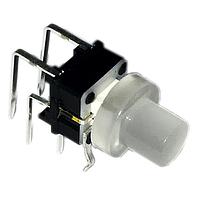
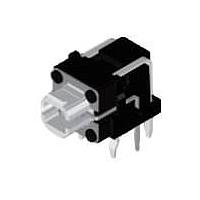
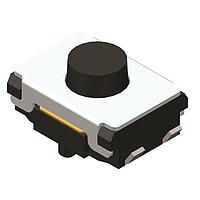
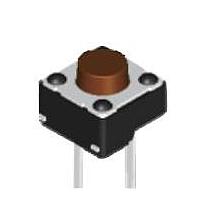
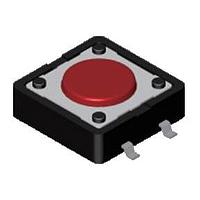
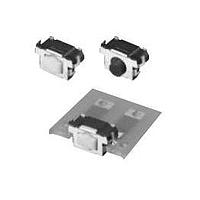
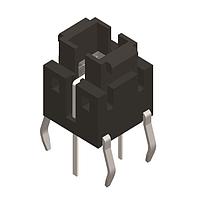
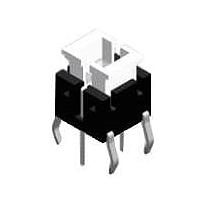
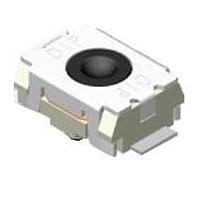
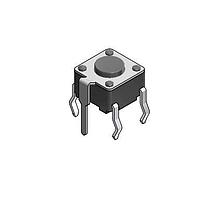
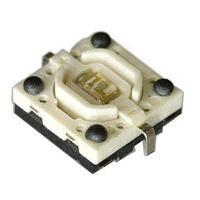
This range includes compact parts from established manufacturers such as Alps Alpine and ITT Cannon. Example parts in the category include the ITT Cannon PTS645VK39TR LFS Tactile Switch, ITT Cannon PTS645SH43SMTR LFS Tactile Switch, ITT Cannon KSL1M211LFT Tactile Switch, and the Alps Alpine SKELALA010 Tactile Switch. These examples illustrate the variety available for different board layouts, button heights, and interface preferences.
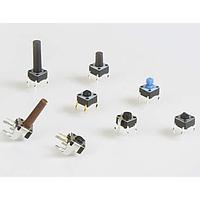
Additional options such as the Alps Alpine SKQJAE Tactile Switch, SKPGAC, SKHJTAA010, and SKECFLA010 show how tactile switches can span multiple form factors for compact product design. In some cases, selection may come down to subtle differences in actuator geometry, operating force, or panel interaction rather than broad electrical differences alone.
Understanding tactile feel, size, and mounting style
The tactile response of a switch affects both user perception and practical performance. A more pronounced click can make operation clearer in noisy or visually busy environments, while a softer feel may suit consumer-facing devices where repeated input should remain comfortable. For applications such as keypads, control modules, and embedded electronics, consistency across all switch positions is often just as important as the feel of any single switch.
Physical size is equally important. Compact switches help maximize PCB density, but they must still align with housing tolerances and actuator access. For instance, products like the Alps Alpine SKHJAAA010 Switch Tactile N.O. SPST Button PC Pins 0.05A 12VDC 0.98N Thru-Hole reflect how mounting method and mechanical dimensions can influence final assembly choices. If the design also requires boots, caps, or mounting hardware, related switch accessories may also be relevant.
How tactile switches fit into broader switch systems
Although tactile switches are usually associated with low-power user interfaces, they are rarely selected in isolation. In real projects, they often sit alongside indicator components, connectors, enclosures, and other switching devices that support machine control or equipment operation. The best sourcing approach is to evaluate the switch as part of the full interface path, from PCB footprint to button contact point and expected user interaction.
This is particularly important in industrial and OEM environments, where serviceability, assembly repeatability, and lifecycle stability matter as much as the initial fit. A tactile switch may be electrically simple, but its impact on product usability and field reliability can be significant when operators interact with it thousands of times over the equipment’s life.
Practical buying considerations for B2B applications
For engineering teams, contract manufacturers, and maintenance buyers, part selection should balance performance with supply continuity and assembly requirements. It helps to confirm whether the switch is intended for prototype work, volume production, or replacement in an established build. That context affects the priority given to packaging format, mechanical tolerance, brand preference, and long-term availability.
It is also worth reviewing whether the application calls for a simple PCB-mounted momentary switch or a different switching approach altogether. In higher-power isolation tasks, for example, designers may need to look beyond tactile products toward categories such as disconnect switches. Matching the switch type to the real operating duty is the clearest way to avoid redesigns later.
Choosing the right option for your application
A good tactile switch choice starts with the mechanical envelope, then moves to actuation feel, electrical fit, and expected operating conditions. Reviewing representative options from manufacturers such as Alps Alpine and ITT Cannon can help narrow the shortlist, especially when you already know the desired button profile or board-space limitations.
For buyers working across prototypes, production runs, or replacement sourcing, this category is intended to support a more efficient comparison process. By focusing on interface behavior, installation method, and application context, it becomes easier to identify a tactile switch that fits both the design and the end-user experience.
Get exclusive volume discounts, bulk pricing updates, and new product alerts delivered directly to your inbox.
By subscribing, you agree to our Terms of Service and Privacy Policy.
Direct access to our certified experts