Solid State Relay - SSR
When switching speed, long service life, and electrical isolation matter, engineers often move away from mechanical contacts and toward semiconductor-based switching. Solid State Relay - SSR products are widely used in industrial control, embedded electronics, test systems, and interface circuits where compact size, silent operation, and reliable repetitive switching are important.
On this page, you can explore SSR options for different load profiles, mounting styles, and circuit requirements. The range includes compact MOSFET-output devices for PCB integration as well as application-specific relay solutions for monitoring and control, helping buyers compare parts more efficiently in a technical procurement workflow.
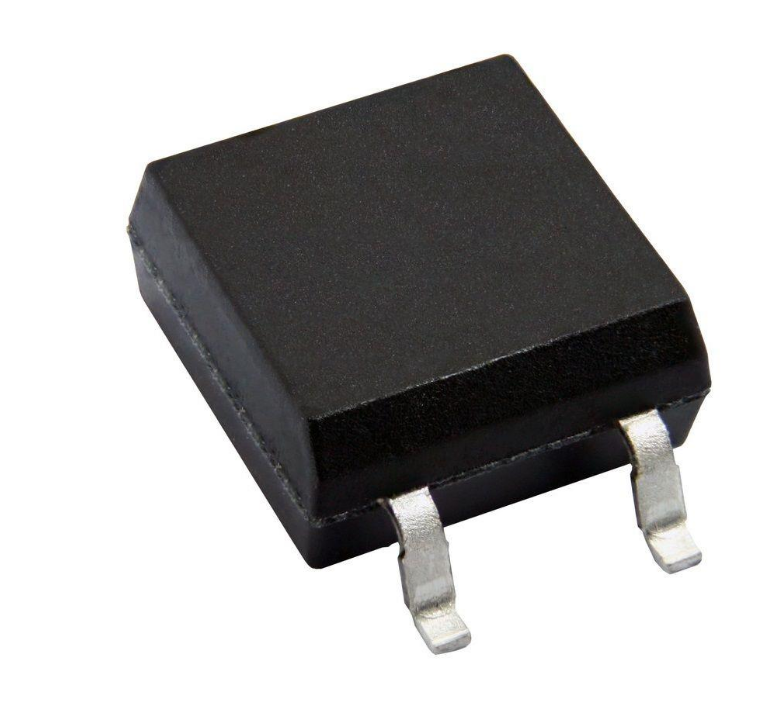
Where SSRs fit in modern control and electronic design
A solid state relay performs the switching function of a relay without traditional moving contacts. Instead of mechanically opening and closing a circuit, it uses semiconductor components to transfer the control signal to the output side while maintaining electrical isolation between input and load.
This operating principle makes SSRs especially useful in applications that need fast switching, low acoustic noise, resistance to vibration, or high switching cycle counts. In PCB-based assemblies, they are commonly selected for interfacing low-power logic with AC or DC loads, while in industrial systems they can also support alarm, monitoring, and protective control functions.
Typical product types in this category
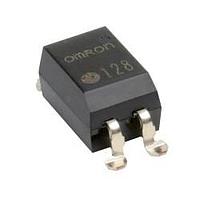
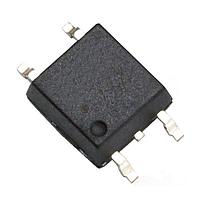
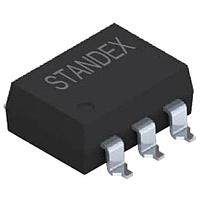
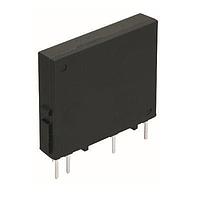
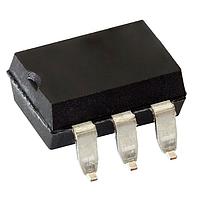
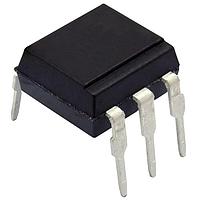
This category includes several SSR formats rather than one single device style. Many products here are compact DIP or SMD packages designed for direct board-level integration, making them relevant for control cards, I/O modules, communication equipment, and compact automation assemblies.
Examples from the current range include MOSFET-output parts such as the Infineon SP001544270 and PVT212S-TPBF, along with Broadcom devices like ASSR-1411-301E, ASSR-1511-501E, and ASSR-1420-502E. These illustrate how SSRs can vary by package, current capability, circuit arrangement, and output voltage class, even when they serve a similar switching role.
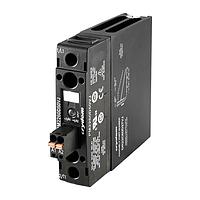
The category also includes application-oriented relay products such as the Dwyer SLD-ACX and SLD-ACY, which are designed for leak detection relay functions in pump monitoring systems. That makes this page relevant not only for electronics designers looking for board-mount SSRs, but also for industrial users who need relay-based monitoring with isolated switching output.
How to choose the right SSR
The first step is to match the relay to the load type and switching conditions. Buyers should review whether the output will be used with AC, DC, or mixed AC/DC loads, then check output current, switching voltage, and expected duty cycle. For board-level designs, package style and mounting method are equally important because they affect assembly, thermal behavior, and space usage.
Input requirements also matter. Many SSRs in this range are DC-input devices intended for logic-level or control-side activation, while other relay products are designed around AC supply operation for dedicated control tasks. Isolation rating is another practical selection point, especially where the control side must be protected from the load side in industrial or instrumentation environments.
For engineers comparing relay technologies more broadly, it can also be useful to review alternatives such as industrial relays and accessories or low signal PCB relays when the application requires different contact behavior, signal handling, or form factor.
Board-level SSRs for compact electronic assemblies
One major advantage of semiconductor relays is their suitability for dense PCB layouts. Devices such as the Broadcom ASSR-4119-001E or ASSR-4119-501E, as well as Infineon SSR and MOSFET relay models, are designed in compact DIP-style or surface-mount packages that integrate easily into control boards and embedded systems.
For these applications, designers usually compare parameters such as one-channel versus two-channel arrangement, input current, output current, and mounting style. A 1 Form A device may be appropriate for simple isolated switching, while 2 Form A options can help reduce board space in multi-channel designs. If your project involves compact isolated outputs in communication, interface, or measurement electronics, this type of SSR is often a practical starting point.
Users evaluating semiconductor switching portfolios may also want to explore Infineon or Broadcom pages for a broader view of available relay-related components from these manufacturers.
Industrial monitoring and application-specific relay use cases
Not every SSR-related requirement is purely about board-level load switching. In industrial environments, relay devices are often selected as part of a monitoring chain that detects abnormal conditions and triggers an alarm or shutdown response. The Dwyer SLD-ACX and SLD-ACY are good examples of this more application-focused approach, supporting leak detection relay functions for pumps and seal monitoring.
In these scenarios, the relay is part of a larger control strategy rather than a standalone switching element. Selection tends to focus more on input sensing method, response behavior, supply format, and alarm integration than on PCB packaging alone. That makes the category useful for maintenance teams, OEM panel builders, and system integrators who need functional relay solutions tied to equipment protection.
When to use SSRs instead of other relay types
SSRs are often preferred when the application benefits from silent operation, very frequent switching, reduced mechanical wear, or compact control-side interfacing. They can also be attractive where contact bounce must be avoided or where shock and vibration make mechanical relay performance less desirable.
That said, relay selection is always application-dependent. Some systems still call for alternatives such as reed relays for specific signal switching behavior or RF relays for high-frequency paths. Comparing the electrical load, signal integrity needs, environmental conditions, and mounting constraints will usually make the right category clearer.
What buyers and engineers typically compare on this page
For sourcing teams, this category supports comparison across several practical filters: manufacturer, package style, mounting type, output structure, and isolation-oriented design. For technical users, the most relevant details are usually output device type, switching arrangement, operating temperature range, and whether the part is meant for PCB integration or for a dedicated control function.
Because SSRs can appear similar at first glance, it helps to narrow the selection by use case. A compact MOSFET-output SSR for low-to-moderate current switching on a PCB is a very different choice from a leak detection relay used in pump protection. Looking at the intended system role first will save time and reduce mismatches during design-in or replacement purchasing.
Find the right SSR for your switching or monitoring requirement
This Solid State Relay - SSR category brings together isolated switching solutions for both electronic design and industrial control tasks. From compact Broadcom and Infineon devices for board-level implementation to Dwyer monitoring relays for equipment protection, the range covers multiple approaches to reliable semiconductor-based switching.
If you are selecting a part for a new design, retrofit, or maintenance inventory, start with the load type, input method, isolation needs, and mounting format. A clear view of those basics will make it much easier to identify the most suitable SSR for your application and procurement process.
Get exclusive volume discounts, bulk pricing updates, and new product alerts delivered directly to your inbox.
By subscribing, you agree to our Terms of Service and Privacy Policy.
Direct access to our certified experts