In modern systems requiring high precision and safety, each bolt size has its own standard torque corresponding to: bolt diameter, material strength grade, lubrication or dry conditions, and working environment (temperature, vibration)
1. Stainless steel tightening torque (Nm)
Stainless steel bolts typically have a lower tightening torque than steel bolts of the same size due to their characteristics: high friction, susceptibility to thread jamming, and lower strength compared to high-strength steel.
Bolt size | Stainless steel tightening torque (Nm) |
M6 | 6-8 Nm |
M8 | 15-20 Nm |
M10 | 30-40 Nm |
M12 | 50-65 Nm |
M16 | 120-50 Nm |
2. Automotive bolt tightening torque chart (common)
In the automotive industry, torque is extremely tightly controlled because it is directly related to safety
Location | Standard tightening torque (Nm) |
Wheel bolts | 90-120 Nm |
Wheel bolts | 40-100 Nm |
Wheel bolts | 150-300 Nm |
Suspension bolts | 100-200 Nm |
3. High-Strength Steel Bolt Torque Chart
Size | 8.8 (Nm) | 10.9 (Nm) | 12.9 (Nm) |
M8 | 25 | 35 | 40 |
M10 | 50 | 70 | 85 |
M12 | 85 | 120 | 145 |
M16 | 200 | 280 | 330 |
M20 | 400 | 550 | 650 |
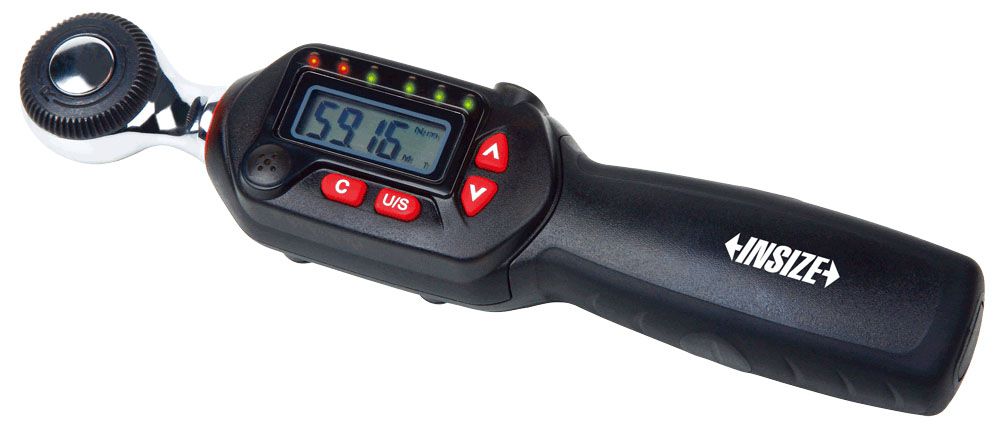
4. Bolt tightening torque chart for electromechanical equipment
Lorem Ipsum is simply dummy text of the printing and typesetting industry. Lorem Ipsum has been the industry's standard dummy text ever since the 1500s, when an unknown printer took a galley of type and scrambled it to make a type specimen book. It has survived not only five centuries, but also the leap into electronic typesetting, remaining essentially unchanged.
|
The able above is for reference only. In practice, torque adjustment is necessary when: Lubrication present → reduce torque by ~ 10-20% High vibration environment → increase torque or use threadlocker High temperature → changes material properties
See more: Torque error: The “hidden cost” you are unknow