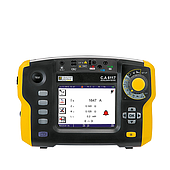
This article will guide you through a more in-depth measurement method so you can accurately assess battery health and proactively replace it before unexpected failures occur.
Why Does a 12V Battery Show Normal Voltage but Still Fail to Operate?
A common “misleading” situation is when you measure the battery right after charging: it still shows 12.6V or even 13V. However, once a load is applied—such as starting an engine or running a UPS—the voltage drops rapidly and the system reports an error.
The root cause lies in internal resistance. Think of internal resistance as an obstacle in the energy flow path inside the battery. As the battery ages and sulfation builds up on the plates, this resistance increases. As a result, energy cannot effectively flow out to power devices but is instead dissipated as heat within the battery, leading to overheating and swelling.
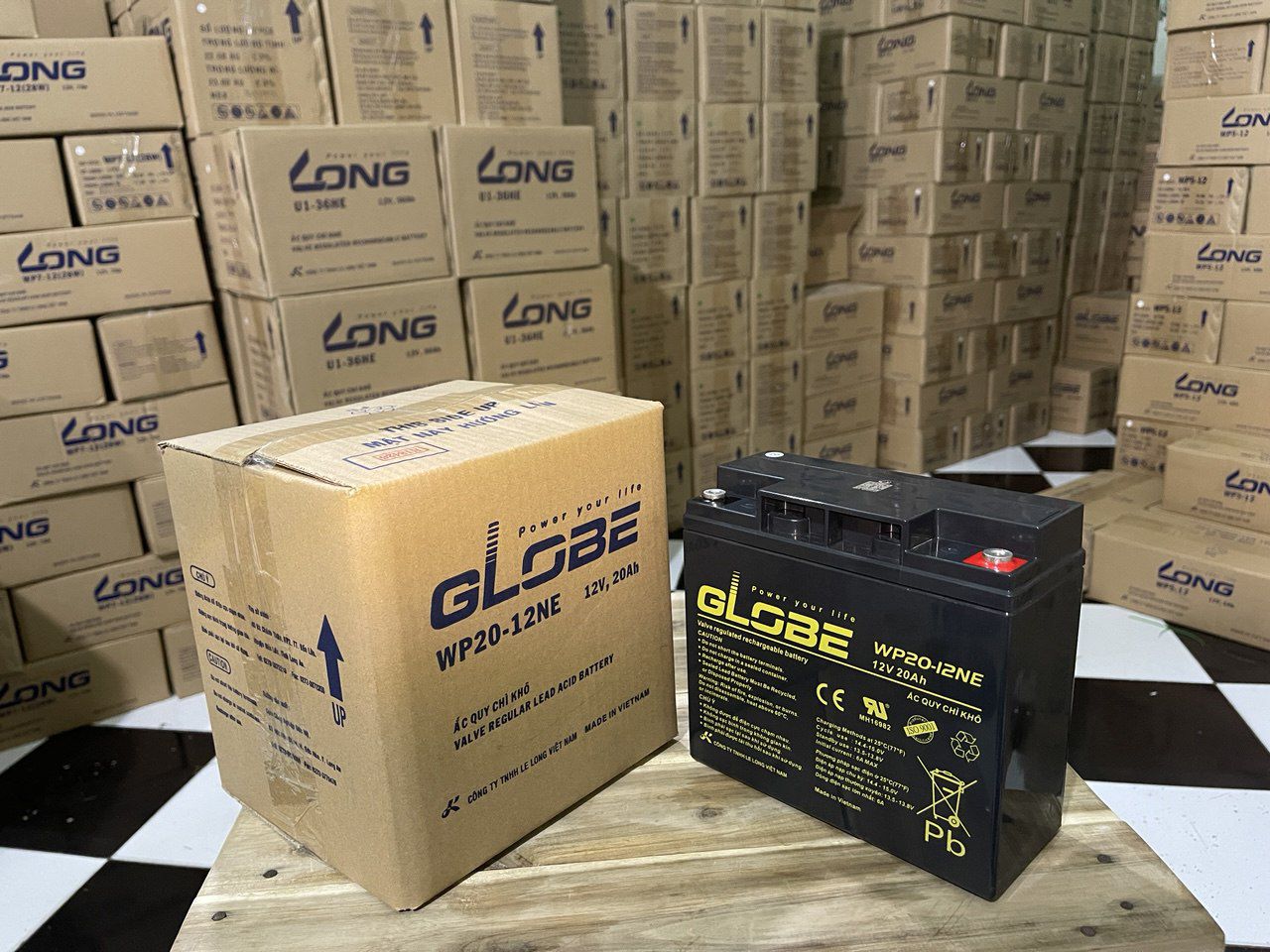
The Most Accurate Procedure to Measure 12V Battery Internal Resistance
To obtain accurate results, you should avoid using conventional discharge testers, as they may damage the battery. Instead, use battery internal resistance and capacity testers that apply the AC 4-wire method (also known as the Kelvin method) to eliminate resistance from test leads and clamps.
Steps to follow:
Clean the terminals, removing dirt or oxidation on the battery poles. These factors can artificially increase readings by tens of mΩ.
Set up the device and select the appropriate measurement range (typically in mΩ).
Firmly clamp the probes onto both battery terminals. Ensure you measure directly on the lead terminals rather than through bolts or connecting wires for the most accurate results.
How to Evaluate Results and Decide When to Replace
Each battery type—whether lead-acid, AGM, Gel, or Lithium—has a standard internal resistance range specified by the manufacturer. However, you can apply the following general rules:
New battery: Very low internal resistance (e.g., a 100Ah battery typically has 3–5 mΩ).
Aging battery: Internal resistance increases by about 1.5 times the original value.
Failed battery: Internal resistance doubles or exceeds the alarm threshold of the measuring device.
To obtain high-resolution measurement tools with smart data storage features, you can refer to devices from major brands such as HIOKI, UNI-T, GW INSTEK,...to choose a model that fits your budget and actual needs.
Learn more: Classification of common electric vehicle batteries and their pros & cons
Benefits of Proactively Monitoring 12V Battery Internal Resistance
Investing in a dedicated internal resistance tester is not an unnecessary expense—it’s a cost-effective investment. It helps you identify which batteries are still good and which ones truly need replacement.
Early detection of batteries with abnormally high internal resistance not only improves fire safety by preventing overheating during charging, but also ensures reliable operation of backup systems, avoiding unexpected failures when power outages occur.
Mastering internal resistance is the only way to truly understand the health of your 12V battery. Don’t wait until your system fails to start troubleshooting. Upgrade your maintenance process today by Ordering internal resistance and capacity testers at EMIN to receive genuine products with full calibration certificates and guaranteed quality.