
The chemical nature and valence levels of copper (Cu)
Copper (Cu) belongs to the group of transition metals, with an atomic structure that allows it to exist flexibly in many different states. In common reactions, copper usually exhibits two valence levels: 1 and 2.
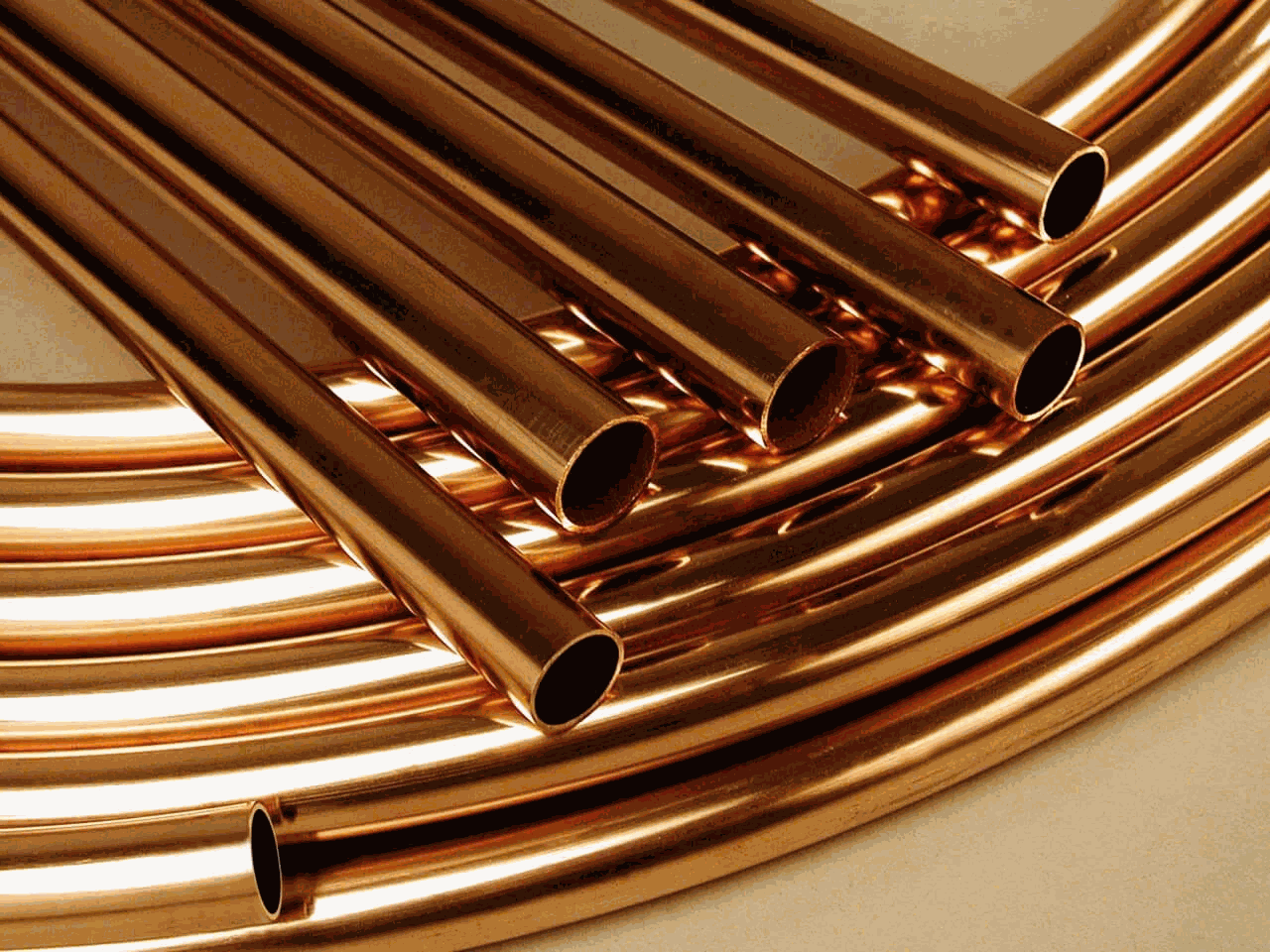
The valence of 2 is present in most common compounds such as copper(II) oxide (CuO) or copper salts used in industry. In contrast, the valence of 1 is less common and only stable under specific environmental conditions. This valence variability is crucial for technicians using testing equipment like the Hanna HI747 to accurately analyze the copper ion content in metal surface treatment solutions.
A core role in the electricity and new energy industry.
Along with the rise of valuable assets like gold, copper (Cu) has been dubbed the "barometer" of the economy. Its superior electrical conductivity makes it the backbone of power grids and high-tech equipment. Most types of wires, telecommunication circuit boards, and electric vehicle motors depend entirely on the purity of the copper core.
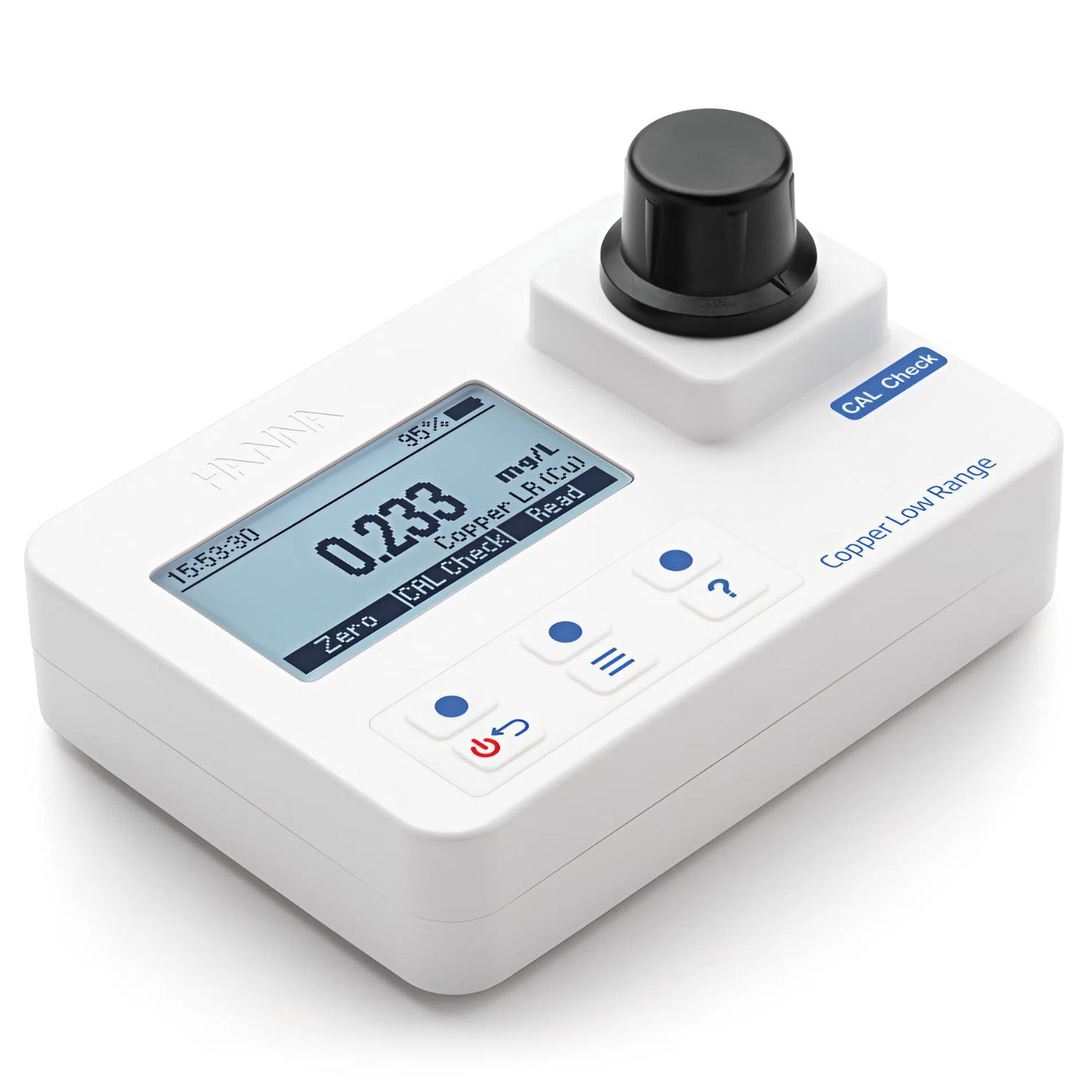
The malleability and ductility of copper make the manufacturing process of components much more convenient than with other metals. The scarcity and high demand for pure copper (Cu), similar to the current market appeal of gold, necessitates strict monitoring of copper concentration during the smelting process using modern photometric measuring instruments such as the Hanna HI97747 to ensure the output quality meets standards.
Applications in water supply systems and civil engineering.
In construction, copper (Cu) is favored due to its natural corrosion resistance and superior antimicrobial properties. Copper (Cu) piping systems are not only durable for decades but also help eliminate harmful microorganisms, keeping drinking water safe.
However, controlling copper residue in water sources is essential to avoid harming human health. Quick test kits like the Hanna HI3847 are often used to closely monitor this concentration, ensuring that this precious metal only provides benefits and does not cause adverse effects due to excessive leaching from pipes into the water supply.
Copper (Cu) makes a significant contribution to medicine and the arts.
The appeal of copper (Cu) also extends to the fields of medicine and jewelry. The antibacterial properties of copper ions are invaluable in the manufacture of surgical instruments or contact surfaces in hospitals to prevent infection.
In art, this metal offers a warm, luxurious beauty comparable to gold, but with the ability to develop a unique green patina over time. This chemical transformation is what gives sculptures their distinctive aesthetic value. To maintain the shine and control the copper (Cu) plating solutions during crafting, handheld measuring devices like the Hanna at EMIN are often used to monitor the solution concentration flexibly and effectively.
Demand for copper (Cu) is soaring, driven by global investment in precious metals. Understanding even the most basic principles, such as its valency, as well as the use of appropriate concentration monitoring tools, will help optimize the efficient use of this strategic material in the future.