What is distilled water?
Distilled water is water treated to achieve almost absolute purity, containing no chemicals, bacteria or impurities. For this reason, distilled water is commonly used in medicine, industry, and many other fields where high precision and safety are required. This type of water is created through a distillation process, ensuring complete removal of harmful compounds and other impurities.
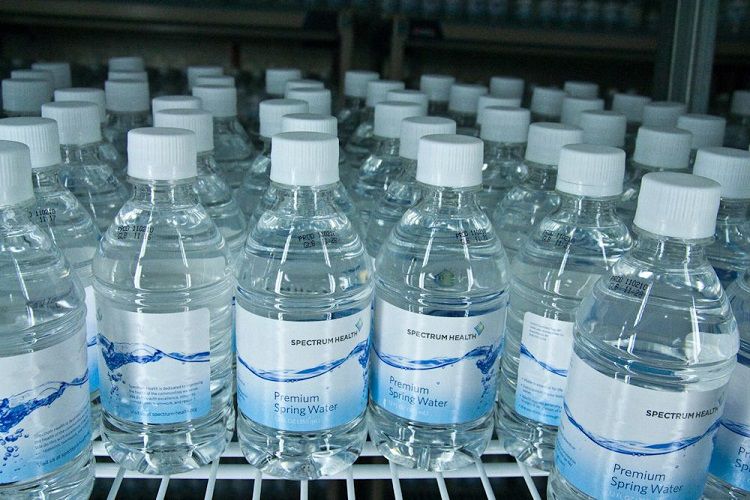
Distilled water production process
To create distilled water, the production process is usually performed according to the following steps:
1. Water filtration: Before distillation, raw water is filtered to remove large particles and impurities.
2. Distillation: Water is boiled in a distillation flask, creating steam. This steam is directed through a cooling system, condensing into liquid form.
3. Purification: Water after distillation may undergo an additional purification step to ensure complete removal of any remaining impurities.
The end result is absolutely clean water, free of any harmful substances. Distilled water is carefully packaged and used in many different applications, from pharmaceutical and food production to industrial cleaning processes.
Can distilled water be drunk?
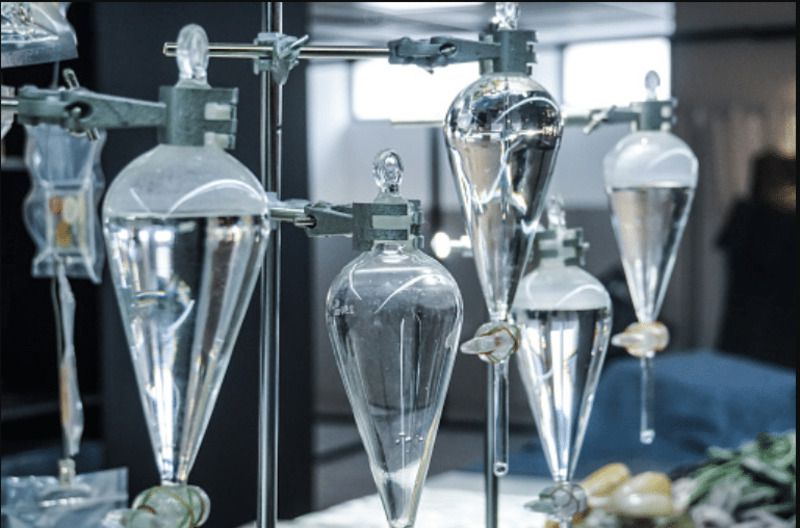
Returning to the issue of whether distilled water is drinkable. Distilled water brings many benefits and is widely used in many fields, but whether distilled water can be drunk or not depends on the purpose of use and each person's specific needs.
Application of distilled water
Distilled water is popular in many industries thanks to its high purity, specifically:
- Industrial: Used to clean equipment, cool machinery, or participate in production processes, ensuring no harmful impurities affect performance.
- Medical: Distilled water is an important ingredient in the production of drugs, antiseptic solutions, and medical applications such as preparing infusion solutions or used in surgeries that require a sterile environment.
- Food: In the food industry, distilled water is used to process products such as soft drinks, beer, and wine, to ensure food hygiene and safety standards.
However, in terms of drinking alone, distilled water does not contain natural minerals needed by the body, so it is not an ideal choice to replace regular drinking water. Instead, distilled water is more suitable in applications that require high purity and safety.
Related articles: What is a water distiller? Classification and usage