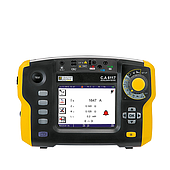
Structure of electric screwdriver for those who do not know
During work, screwing or unscrewing a series of screws is a regular task, especially for those working in the technical field or assembling equipment. An electric screwdriver is a tool that helps to handle that job faster without making the wrist stiff or tired like when using a regular screwdriver. Just hold it firmly, press it lightly and the screw head will rotate automatically, tighten or loosen neatly, without much effort or adjustment. Thanks to that, the work progress is clearly shortened, and the operation is also more steady.
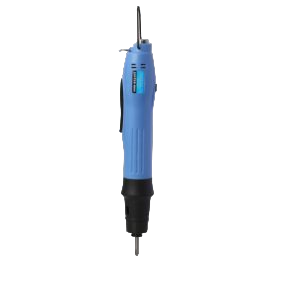
In terms of structure, the electric screwdriver has a fairly clear and practical design. The screw tip is the part that directly contacts the screw, so it is always prioritized to choose sturdy materials, minimizing wear or distortion during use. The shape of the screw head is also very diverse, depending on the type of screw, choose to fit, avoid slipping the head or scratching the details. The screw body has long and short types with two popular shapes: round and hexagonal, each type is suitable for each person's gripping habits. Finally, the handle, although it looks quite simple, needs to be carefully preserved. If during use, accidentally hit it with a hammer, it is easy to damage the internal connection, affecting the life of the entire device.
Function of electric screwdriver
Working with dozens, even hundreds of screws every day, everyone hopes to have a way to save energy while still maintaining productivity. Electric screwdrivers were born from that need, helping to shorten the operating time with just a light press. No need to exert force, no need to twist the wrist, just hold the right point and let the machine take care of the rest. The work pace is accelerated, efficiency is also significantly improved while the user still feels comfortable after many hours of work.
For those who are afraid of power tools because they seem “complicated”, electric screwdrivers are an exception. Compact, easy to use, and do not require any special skills. Pick it up and operate it right away, and it is also convenient to carry because the design is not bulky. Every detail is geared towards practicality and simplicity, exactly what users need to work easier, faster, and less tired.
How to use an electric screwdriver
If your job involves disassembling electronic devices, especially computers or small components, an electric screwdriver will be an extremely useful item. It does not require as much force as a drill, but is still powerful enough to handle many screws every day. When encountering hard screws or screws stuck to the wood surface, you can proactively switch to manual operation to loosen them first, then use electric mode again to complete, both fast and with good control of the screwing force.
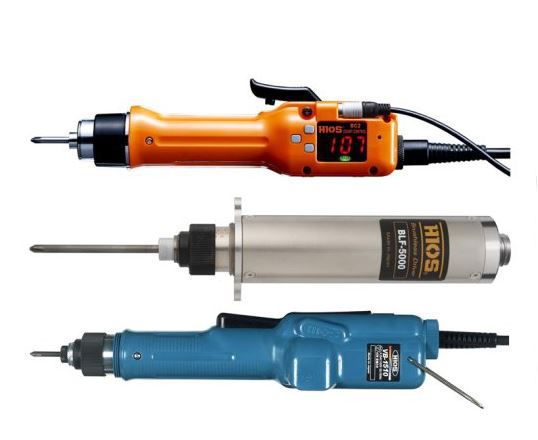
It is also very simple to use. Push down to tighten, push up to loosen and put it in the middle if you want to use your hands. Once you get used to it, you will find this middle button extremely convenient, especially when you need to control the depth or speed of the screw. In addition, the machine allows you to adjust the speed according to your needs, very suitable when working with many different types of materials. If the device shows low battery, just recharge it via the micro USB port. A full charge can be used continuously for about 300 screws with small screws, however, if you work with larger and stronger screws, the duration will be reduced a bit.
Conclude:
Hopefully, the above information has helped you better understand the uses and how to use electric screwdrivers effectively. If you are looking to buy products such as screwdrivers, screwdrivers or other assembly support tools, you can refer directly to the EMIN website to choose the product that suits your needs. Thank you for following.