What is dissolved oxygen DO
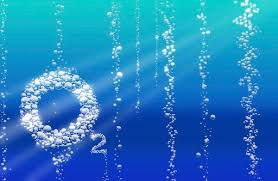
Oxygen is life on earth. Humans need oxygen to breathe, and aquatic creatures such as shrimp and fish also need oxygen to breathe. If the dissolved oxygen (DO) concentration in water is too low, it will affect the respiratory process of these organisms.
DO levels naturally change based on factors such as temperature, turbidity, and breakdown of substances in the water. DO is usually measured in mg/L or ppm units.
Concept of dissolved oxygen meter
DO meter (water quality meter), is used to measure the amount of dissolved oxygen in water. This type of machine uses an advanced optical system or electrodes similar to pH, TDS, EC meters to perform DO measurements.
What is the structure of the meter?
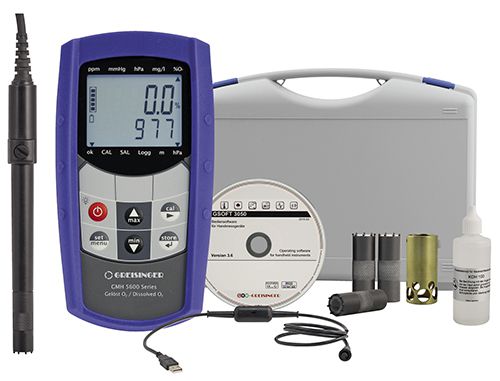
The DO dissolved oxygen meter has a basic structure including the following parts:
- Case: Protects the device and shapes its shape, helping users easily distinguish brands and models.
- DO measuring part: For optical measuring machines, this is the optical system, while conventional machines use a DO measuring probe.
- Electronic circuit: Processes information from the user through the function keys and from the sample through the measuring unit, then encodes and displays the results on the screen.
- Function keys: Receive information from the user and transmit it to the electronic circuit to set up and control the machine.
- Screen: Displays measurement results.
You can refer to some oxygen meters such as: Dissolved oxygen (DO) Hanna HI9142, DO dissolved oxygen mete Milwaukee MW600,...
What is the operating principle of the machine?
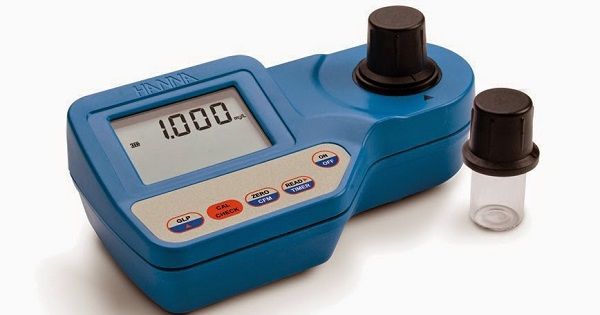
Optical measuring machine:
Photometers use an optical system to measure dissolved oxygen. The machine works on the principle that light is absorbed by a complementary color and the emitted radiation depends on the concentration. When a reagent is added to a water sample, it reacts with the water sample. The optical system then measures the reaction level and converts it to DO concentration.
The machine uses probes:
The device uses a DO measuring probe that operates based on electrochemical principles. The probe uses an electrode where dissolved oxygen (DO) reacts with the cathode to produce an electric current. The higher the partial pressure of oxygen in the water, the more oxygen diffuses through the membrane of the electrode. This current and pressure meter converts and measures the DO concentration of a solution
With the above information, we hope you have a better understanding of the structure and operating principles of the water dissolved oxygen meter. If you have any questions or concerns, please contact us for support via EMIN fanpage or chat with sales at emin.vn website.