So what role does a microclimate cabinet play? Below is my perspective on the applications and benefits that this device brings in the pharmaceutical, medical and industrial fields.
What is a microclimate cabinet?
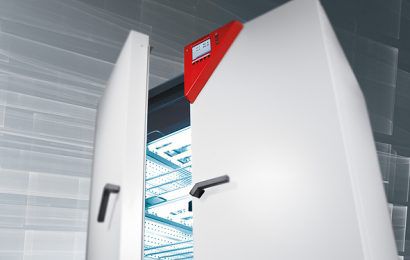
The experimental climate chamber simulates the environment and is designed to be airtight and isolated. Inside the cabinet, climatic conditions such as temperature, air pressure and humidity are artificially created, allowing different environments to be recreated for testing purposes.
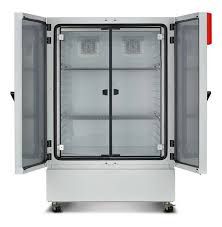
Microclimate chambers are used to test the stability of materials. If ICH Q1A guidelines are followed, the cabinet only needs to be capable of controlling temperature and humidity. However, according to ICH Q1B R1 guidance, additional lighting features are required. Common applications include shelf life testing, stability testing, and product expiration date assessment.
How many types of climate cabinets are there?
Microclimate cabinets are divided into two main types:
1. Stable microclimate cabinet: This type of cabinet is often used to test long-term stability, maintaining temperature and humidity at a constant level. Common applications include aging testing, materials testing, stress testing, long-term stability testing, and as storage tools.
2. Dynamic climate chamber: Designed to carry out testing programs with temperature and humidity changing automatically over a set time, suitable for tests that require changing conditions environment.
Application of climate chamber
1. Pharmaceutical industry
Microclimate cabinets are used to test drug stability before approval. This test helps determine shelf-life by storing samples in simulated temperature and humidity conditions corresponding to the actual environment from 8°C to 25°C.
2. Food and beverage industry
In this field, climate chambers support product testing at different temperatures and humidity levels, and even perform optical durability testing to evaluate the effects of light on food. Thereby, product stability, color, and shelf life are monitored under the prevailing climatic conditions in each country.
3. Cosmetic industry
The climate chamber helps evaluate the stability of cosmetics under fixed parameters such as temperature, relative humidity and light. Test results assist in determining shelf life and recommending appropriate storage methods. Standards such as ICH Q1A-Q1F are applied to ensure the reliability of cosmetic products under different climatic conditions.
4. Packaging industry
In the packaging sector, climate chambers test the quality and durability of materials such as paper and packaging. Aging resistance testing, such as T544, helps manufacturers choose the right materials, ensuring the product is sustainable against environmental impacts.
Microclimate cabinets also play an important role in other industries such as textile dyeing, automobiles, and additives,...