Standardize internal industrial machines and correct procedures
To calibrate an industrial endoscope accurately, you can follow these steps:
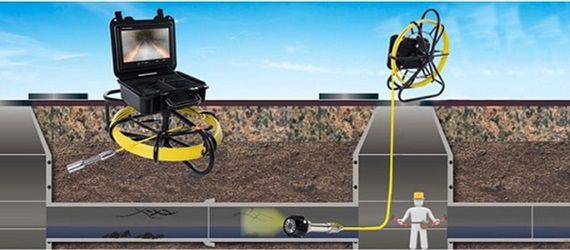
Step 1: Prepare
Check the condition of the industrial endoscope camera, ensuring that its components are not damaged, scratched or deformed. Prepare necessary tools such as measuring sets, standards, instruction documents and other tools.
Step 2: Adjust and test the optical system
To ensure that the lens and sight are coaxial and there are no cracked, damaged or misaligned components, you need to adjust and check the optical system. Use a luminance meter and resolution test to ensure the accuracy of the optical system.
Step 3: Adjust and check the mechanical system Adjust the mechanical system including components such as spindle, microscope, lens and motor, ensuring they operate properly. Use precision measuring tools and gauge checks to ensure mechanical system accuracy.
Step 4: Check the control system Checking the control system is an important step to help ensure that the endoscope can operate properly and meet technical requirements. Users need to check and adjust control parameters such as position accuracy, rotation angle accuracy and rotation speed accuracy.
Step 5: Check for accuracy and repeat
Repeat the calibration procedure to ensure accuracy and consistency of measurement results. Check the accuracy of the endoscope using previously determined standards. After completing the calibration procedure, store the results and related information for use in future inspection and maintenance tasks.
Calibration process for industrial endoscopes
What to note when you calibrate an industrial endoscope
1. When performing the calibration process for industrial endoscopes, you need to pay attention to the following to ensure that the calibration process is performed accurately and the measurement results achieved are as accurate as possible. :
2. Fully comply with the procedures and standards specified in the manufacturer's instructions to ensure the calibration process is carried out in accordance with regulations.
3. Use tools and calibration equipment correctly and ensure they are stored and used according to procedures. This helps ensure the consistency and accuracy of the calibration process.
4. Check the accuracy of measuring instruments and standards before use, and perform periodic calibration to ensure they always maintain the highest accuracy.
5. Perform calibration in a stable environment with controlled factors such as temperature, humidity, light and vibration. This ensures that working conditions do not affect the calibration and accuracy of the endoscope.
6. Store calibration results and related information securely and accurately for use during endoscope inspection and maintenance.
7. Perform periodic inspection and maintenance of endoscopes to ensure they always operate well and meet technical requirements. Ensure labor safety during calibration and when using the endoscope, and comply with the manufacturer's safety regulations and the law.
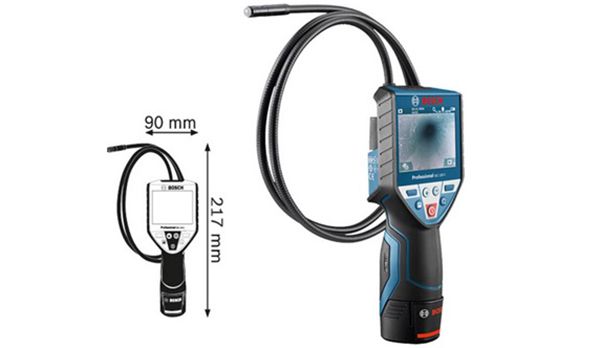
With the above simple and detailed instructions, hopefully you have grasped how to properly calibrate an industrial endoscope. Correct implementation of the calibration process not only ensures that the machine operates correctly but also improves the accuracy of measurement results. If you need support or have any questions, don't hesitate to contact us for further advice. In particular, if you are looking for genuine, quality observation devices with a long-term warranty, please visit our website at EMIN and our fanpage immediately.