For full functionality of this site it is necessary to enable JavaScript.
EMIN.CO.ID
0

SỬA CHỮA THƯỚC CẶP ĐIỆN TỬ MITUTOYO 552-306-10

12/12/2022 10:22:09

Xử lý lỗi mỏ đo biến dạng trên thước cặp MITUTOYO 552-306-10

Thước cặp điện tử MITUTOYO 552-306-10

Trong quá trình sử dụng, thước cặp điện tử MITUTOYO 552-306-10 có thể gặp các sự cố về độ chính xác là điều không thể tránh khỏi. Bạn đang tìm kiếm một địa chỉ sửa chữa thước cặp điện tử nhanh chóng, uy tín và chuyên nghiệp để gửi gắm thiết bị của bạn? Đến với EMIN Việt Nam, chúng tôi cam kết chất lượng dịch vụ, linh kiện thay thế chính hãng, mới 100% với chính sách bảo hành tốt nhất.
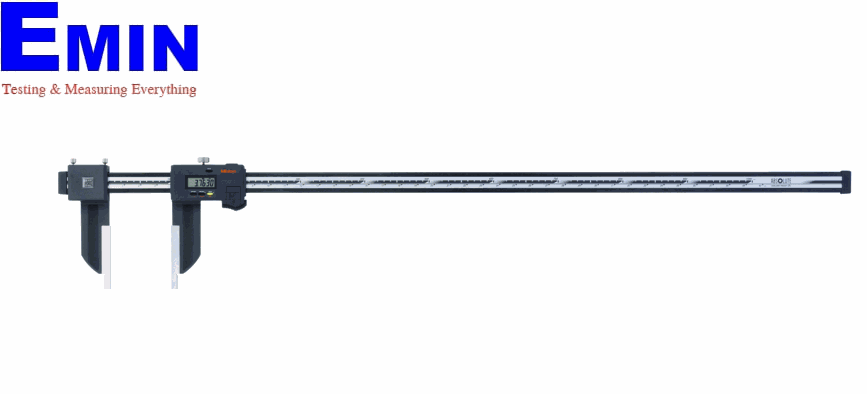

Thước cặp điện tử là một sản phẩm của nhà MITUTOYO một ông lớn trong ngành sản xuất các thiết bị đo. Sản phẩm có dải đo: 0 - 2000 mm với độ chính xác: ±0,12 mm.

Sửa Chữa Thước Cặp Điện Tử MITUTOYO 552-306-10

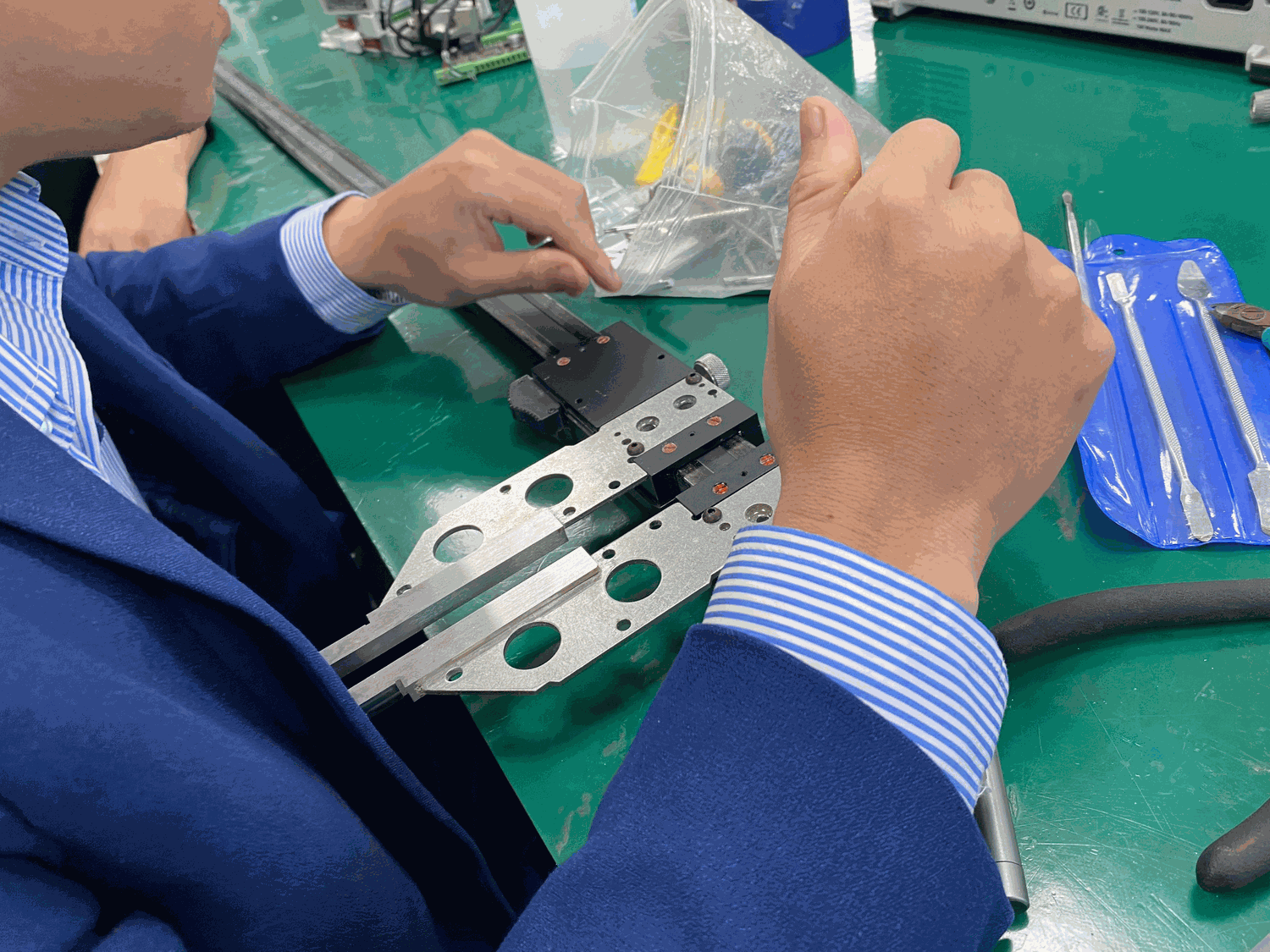
EMIN tiếp nhận và tiến hành kiểm tra xử lý lỗi mỏ đo bị cong trên thước cặp điện tử MITUTOYO 552-306-10
Thước Cặp Điện Tử MITUTOYO 552-306-10 tại trung tâm Sửa chữa – Hiệu chuẩn – Kiểm định EMIN
 

Related News

How do HRC, HRB, and HRA scales differ in hardness testing?
06/15/2026 14:30:32

HRC, HRB, and HRA all belong to the Rockwell hardness system but are applied to different material groups. Understanding the differences between HRC, HRB, and HRA helps in selecting the correct testing method, accurately reading specifications, and avoiding unnecessary errors in material quality assessment.

What is the required TDS level for shrimp ponds?
06/12/2026 14:26:27

What is the ideal TDS level for a shrimp tank? Many people spend a lot of time monitoring pH, temperature, and filtration systems but overlook TDS. Only when shrimp grow slowly, their colors fade, they have difficulty molting, or die off sporadically do they start checking their water source and discover that this indicator has long been out of the right range

Signs that the electrodes in your TDS meter are degraded and need replacing
06/12/2026 11:43:51

TDS meters can operate reliably for many years, but the electrodes are the most subject to wear and tear. Each time a measurement is taken, the sensor surface comes into direct contact with water, dissolved minerals, and various other chemical components. This continuous process means the electrode's responsiveness gradually decreases over time.

Stay Updated with Offers

Get exclusive volume discounts, bulk pricing updates, and new product alerts delivered directly to your inbox.

By subscribing, you agree to our Terms of Service and Privacy Policy.

Quick Support

Direct access to our certified experts