For full functionality of this site it is necessary to enable JavaScript.
EMIN.CO.ID
0

Standard torque chart by size

04/14/2026 16:07:27

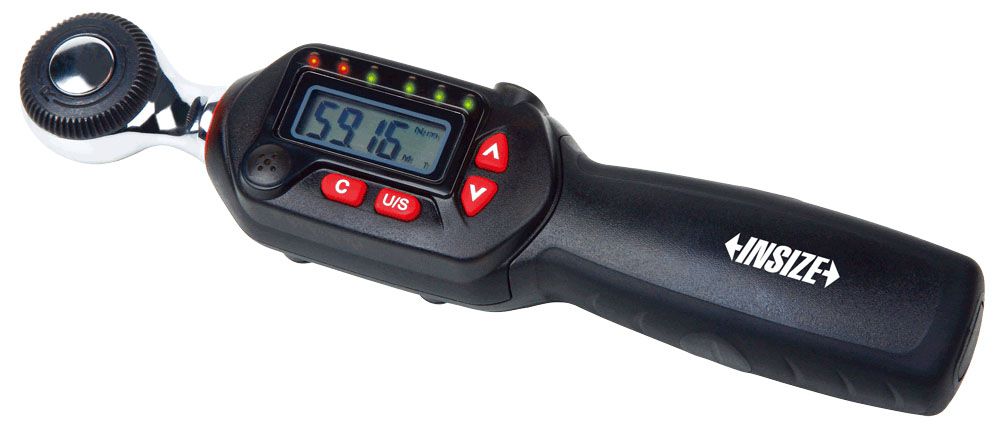
Using the correct bolt torque chart according to size and torque wrench not only ensures the durability of the connection but is also a core element in quality control. In the context of increasingly demanding technical requirements, tightening torque is no longer a matter of manual measurement, but has become a technical parameter that needs to be tightly controlled.

In modern systems requiring high precision and safety, each bolt size has its own standard torque corresponding to: bolt diameter, material strength grade, lubrication or dry conditions, and working environment (temperature, vibration)

1. Stainless steel tightening torque (Nm)

Stainless steel bolts typically have a lower tightening torque than steel bolts of the same size due to their characteristics: high friction, susceptibility to thread jamming, and lower strength compared to high-strength steel.

Bolt size

Stainless steel tightening torque (Nm)

M6

6-8 Nm

M8

15-20 Nm

M10

30-40 Nm

M12

50-65 Nm

M16

120-50 Nm

2. Automotive bolt tightening torque chart (common)

In the automotive industry, torque is extremely tightly controlled because it is directly related to safety

Location

Standard tightening torque (Nm)

Wheel bolts

90-120 Nm

Wheel bolts

40-100 Nm 

Wheel bolts

150-300 Nm

Suspension bolts

100-200 Nm

3. High-Strength Steel Bolt Torque Chart

Size

8.8 (Nm)

10.9 (Nm)

12.9 (Nm)

M8  

25

35

40

M10

50

70

85

M12

85

120

145

M16

200

280

330

M20

400

550

650

4. Bolt tightening torque chart for electromechanical equipment

Lorem Ipsum is simply dummy text of the printing and typesetting industry. Lorem Ipsum has been the industry's standard dummy text ever since the 1500s, when an unknown printer took a galley of type and scrambled it to make a type specimen book. It has survived not only five centuries, but also the leap into electronic typesetting, remaining essentially unchanged.

Size

Tightening torque (Nm)

M55

6 Nm

M68


10 Nm

M818


22 Nm

M1035

45 Nm

The able above is for reference only. In practice, torque adjustment is necessary when: Lubrication present → reduce torque by ~ 10-20% High vibration environment → increase torque or use threadlocker High temperature → changes material properties 

See more: Torque error: The “hidden cost” you are unknow
Related News

How do HRC, HRB, and HRA scales differ in hardness testing?
06/15/2026 14:30:32

HRC, HRB, and HRA all belong to the Rockwell hardness system but are applied to different material groups. Understanding the differences between HRC, HRB, and HRA helps in selecting the correct testing method, accurately reading specifications, and avoiding unnecessary errors in material quality assessment.

What is the required TDS level for shrimp ponds?
06/12/2026 14:26:27

What is the ideal TDS level for a shrimp tank? Many people spend a lot of time monitoring pH, temperature, and filtration systems but overlook TDS. Only when shrimp grow slowly, their colors fade, they have difficulty molting, or die off sporadically do they start checking their water source and discover that this indicator has long been out of the right range

Signs that the electrodes in your TDS meter are degraded and need replacing
06/12/2026 11:43:51

TDS meters can operate reliably for many years, but the electrodes are the most subject to wear and tear. Each time a measurement is taken, the sensor surface comes into direct contact with water, dissolved minerals, and various other chemical components. This continuous process means the electrode's responsiveness gradually decreases over time.

Stay Updated with Offers

Get exclusive volume discounts, bulk pricing updates, and new product alerts delivered directly to your inbox.

By subscribing, you agree to our Terms of Service and Privacy Policy.

Quick Support

Direct access to our certified experts