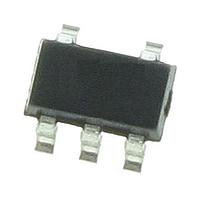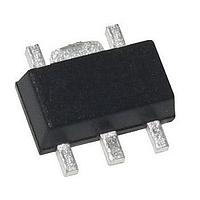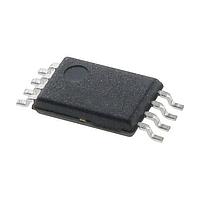
Power Management ICs
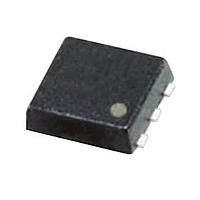
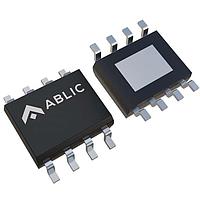
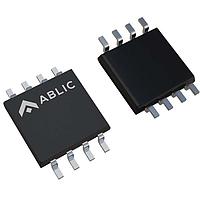
Stable power delivery is one of the foundations of reliable electronic design. In embedded systems, industrial controls, communication hardware, and many other applications, engineers depend on Power Management ICs to regulate voltage, distribute power safely, protect downstream circuits, and improve overall system efficiency.
This category brings together devices used in practical power architectures, from control and switching functions to supporting protection roles inside compact electronic assemblies. Whether you are refining a board-level design or sourcing replacement components for a production build, the right power device helps reduce thermal stress, improve uptime, and simplify integration across the wider system.
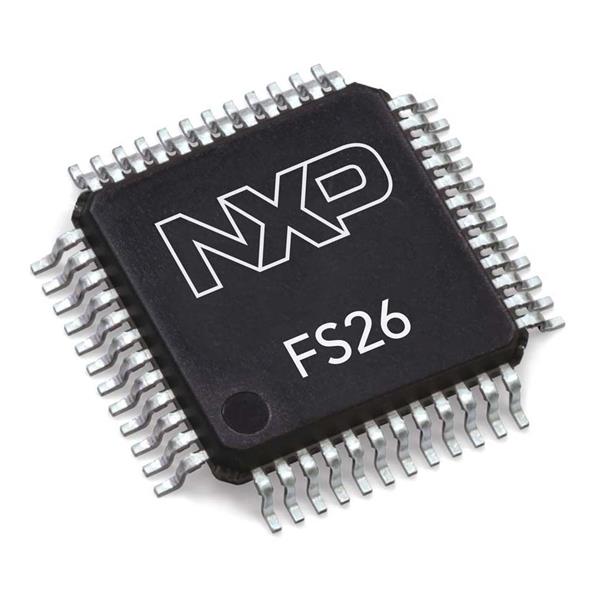
Where power management ICs fit in a system design
Power-related ICs are not limited to simple voltage conversion. They often sit between the source and the load, coordinating startup behavior, current flow, power path selection, fault response, and protection for sensitive electronics. In real projects, that can mean supporting processors, sensor nodes, interface circuits, storage devices, and communication modules from a controlled and predictable power rail.
Because these devices operate close to the electrical heart of a product, selection usually depends on more than just nominal voltage. Designers typically evaluate input range, expected load conditions, switching or control behavior, package constraints, and the role of the IC within the full board-level architecture. In many designs, PMICs also work alongside specialized ICs and processing platforms to support a complete electronic solution.
Common functions covered in this category
This category may include components used for power control, current limiting, load switching, and other supporting management tasks. These functions are especially important when multiple rails must be sequenced correctly or when downstream circuitry needs protection from overload, inrush current, or unstable input conditions.
Some parts in this range are intended to act as compact control devices within low-voltage power sections, while others are better suited to handling broader system-level power distribution. For example, devices such as the Alpha and Omega Semiconductor AOZ1300AI, AOZ1320CI-05, and AOZ1341AI series can be relevant when engineers need integrated power-management building blocks rather than fully discrete implementations.
Examples of devices and solution approaches
Several representative products in this category illustrate the variety of use cases. The Alpha and Omega Semiconductor AOZ1360DIL is identified as a current limit switch and can be relevant in designs where controlled power delivery and output protection are priorities. The AOZ1320DI-04 controller highlights another common need: using a dedicated control IC to manage behavior across a defined operating range.
Other examples, such as the Allegro MicroSystems A6801SEPTR-T and American Power Conversion AP9807, show that power management can extend across different application layers, from board-level integrated circuits to products used in broader power-support ecosystems. If your design also interfaces with signal-conditioning stages, related categories such as amplifier ICs may help round out the overall circuit chain.
How to choose the right PMIC for your application
A good starting point is to define the exact role the device must perform. Some projects need a part to switch and protect power to peripheral loads, while others require a controller for rail management or a compact IC that helps maintain stable operation across portable, embedded, or distributed electronics. Clarifying whether the requirement is regulation, protection, sequencing, distribution, or current limiting will narrow the shortlist quickly.
Next, review the electrical boundaries of the application. Engineers typically compare input and output conditions, expected current demand, allowable thermal profile, package format, and the consequences of fault events. In industrial and OEM contexts, a technically suitable part is often the one that balances electrical compatibility, board space, and procurement continuity rather than simply aiming for the most feature-dense device.
Manufacturer options in this range
This category includes products associated with recognized suppliers such as Alpha and Omega Semiconductor, Allegro MicroSystems, and American Power Conversion. These names are relevant across different layers of power design, from compact semiconductor-level devices to equipment supporting larger power infrastructure needs.
Depending on the application, engineers may also compare PMIC selections with broader component ecosystems from vendors active in embedded and industrial electronics. For designs that sit close to processor or module-based architectures, it can also be useful to review adjacent hardware platforms such as embedded computers to understand how power requirements scale at the system level.
Typical application environments
Power management devices are used across a wide range of electronic products, including embedded controllers, interface boards, communications hardware, automation electronics, and support circuits inside larger industrial assemblies. Their value is often most visible in systems that must power up consistently, tolerate load variation, and protect expensive downstream components from avoidable electrical stress.
They are also relevant in designs that combine digital logic, memory, sensing, and signal processing on the same board. In those environments, the quality of the power architecture directly affects stability, noise behavior, and service life. That is why PMIC selection is usually treated as a core engineering decision rather than a secondary sourcing step.
Choosing for long-term integration
When selecting from a broad PMIC category, it helps to think beyond the first prototype. Consider how the device will be integrated into production, whether equivalent design revisions are likely, and how the component fits into testing, maintenance, and future scaling. A part that aligns well with your electrical design and assembly process can reduce redesign effort later.
For buyers and engineers alike, this category is most useful when approached as part of a complete power strategy. By comparing functional roles, operating ranges, and supplier ecosystems, you can identify components that support both immediate design goals and longer-term product reliability.
If your project depends on controlled power delivery, fault protection, or compact board-level power control, this selection of Power Management ICs provides a practical starting point. Reviewing application needs first, then matching them to the appropriate control or protection function, will usually lead to a more robust and maintainable design.
Get exclusive volume discounts, bulk pricing updates, and new product alerts delivered directly to your inbox.
By subscribing, you agree to our Terms of Service and Privacy Policy.
Direct access to our certified experts