However, besides the story about the environment and the modernization of convenient vehicles, an emerging issue that has not been properly communicated is the risk of electrical safety in each family. When people switch to using electric vehicles, especially electric cars, the house will not only be a place to live but also become a home charging station, operating every night. If the civil electrical system is old, the socket cannot handle the load, lacks protective equipment... then even a small danger can become the cause of fire and explosion. And unlike public charging stations, at home, no one checks or ensures your safety.
Hanoi has officially launched a green transition roadmap
As early as 2025, Hanoi announced a specific plan to reduce fossil fuel vehicles, accelerate the development of electric vehicles and build environmentally friendly urban infrastructure.
The city aims for at least 50% of newly registered vehicles to be electric vehicles by 2030. Electric bus routes are being continuously deployed. Many shopping centers, parking lots and residential areas have begun installing public charging stations. Some districts such as Cau Giay, Nam Tu Liem, Hoang Mai are becoming pioneers in testing home charging infrastructure.

This is an important step to reduce pollution, and at the same time shows a clear change in people's choices. Many households have switched to using electric motorbikes early to move around the city, leading to an urgent need for home charging.
The development of electric vehicles in the next 5 years
In just a few years, electric vehicles have gradually become a familiar image on urban streets. It is expected that by 2030, Vietnam will record millions of electric vehicles in circulation, especially in large cities such as Hanoi and Ho Chi Minh City, areas with high urbanization rates, while facing increasing pressure from air pollution and noise.
The domestic market is witnessing and will witness a wave of electric vehicles, when a series of electric motorbikes and cars are continuously introduced from major brands such as Vinfast, Dat Bike, Yadea, Pega, ... In parallel, the charging station system is also being strongly developed to meet the rapid growth of electric vehicles.
This is to open a new chapter for energy, transport and lifestyle policy in Vietnam. Owning an electric car in the next 5 years will no longer be an option for the few, but could become a new norm for urban residents.
Concerns about charging electric vehicles at home
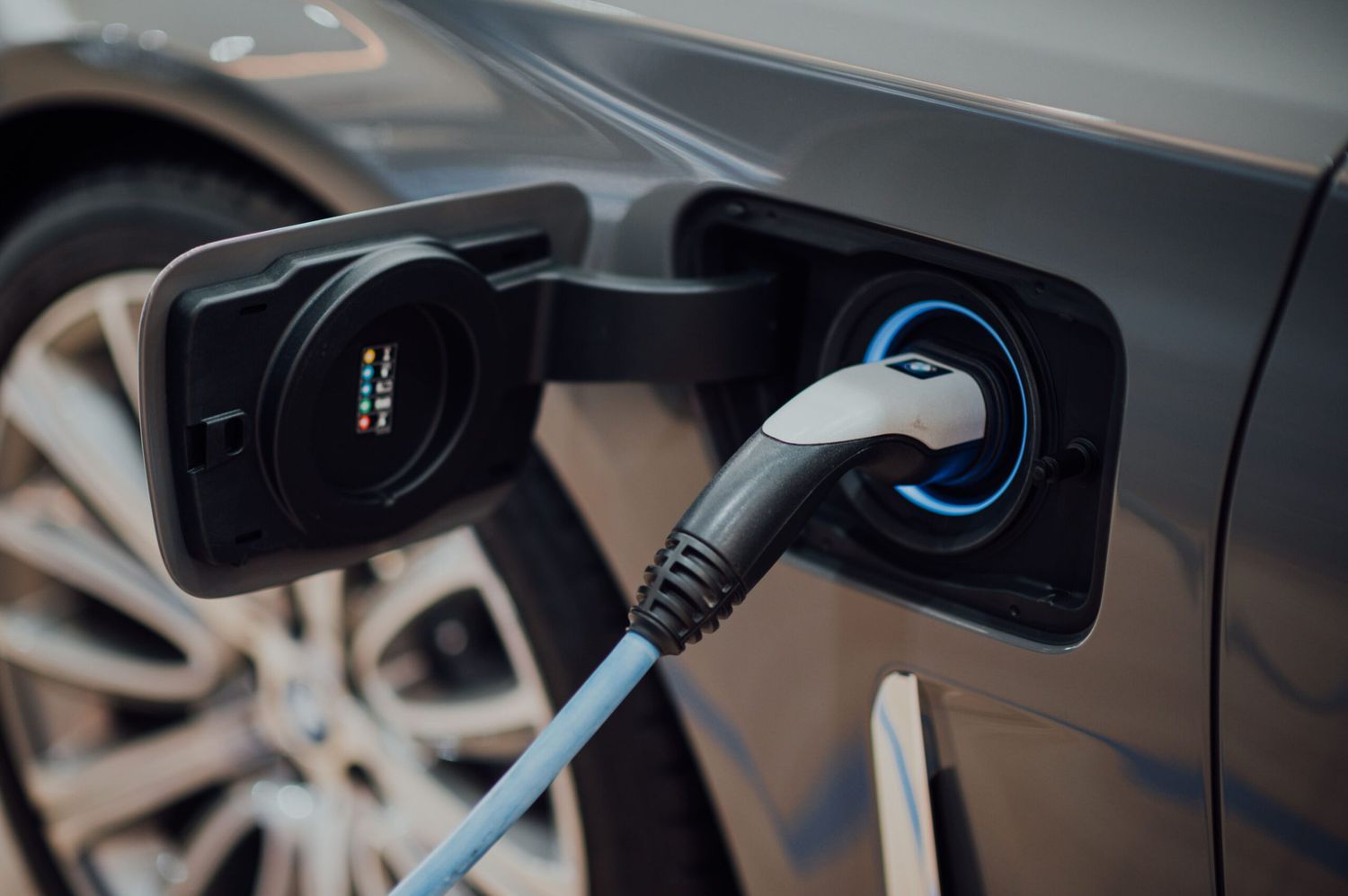
However, behind the benefits of switching from gasoline to electric vehicles, there are concerns that many people have about charging electric vehicles at home: old electrical systems, substandard sockets, the risk of overloading or even explosion if not installed properly. While the number of electric vehicles is increasing, habits and knowledge about electrical safety at home have not kept up. This makes the need for safe, smart charging solutions at home more urgent than ever.
Notes when preparing the home electrical system for electric vehicle charging needs
As electric vehicles gradually become a part of daily life, charging electric vehicles at home is a new habit of many families. However, it requires compatibility with the electrical system in your home. Details such as sockets, wires or circuit breakers may seem small and even few people pay attention to them, but they play an indispensable role in ensuring safe operation.
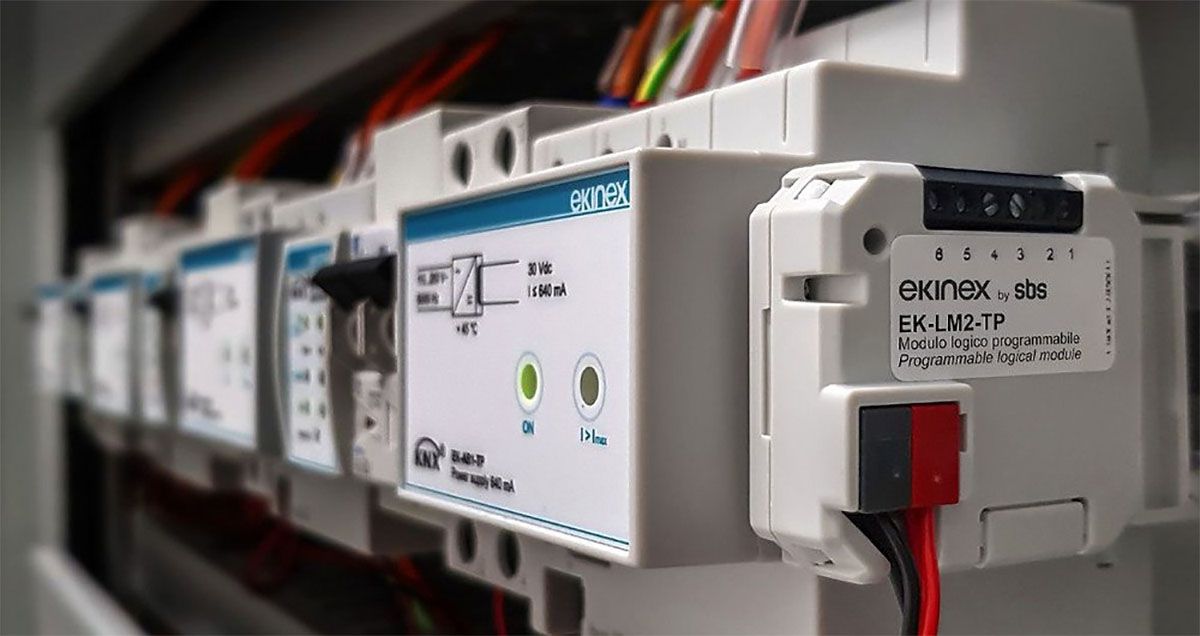
Many current household electrical systems are designed for low-power devices, so when adding a charging load from an electric vehicle, there may be silent phenomena such as hot wires, overload or reduced device life.
Therefore, before officially putting an electric car into use at home, the homeowner should proactively review the entire internal electrical network, from protective equipment to commonly used electrical connection points. A few small but properly implemented improvements will help the green transition become safe, sustainable and truly effective in the long term.
Why do electrical accidents often happen when no one has time to react?
Unlike normal accidents, electrical accidents happen in the blink of an eye, without making any noise or warning. Victims often have no time to call for help or react. This is why many incidents are only discovered when it is too late.
Protecting your home's electrical system against the green future of electrification
The electrification trend is creeping into every corner of modern life, electric cars, induction cookers, solar panels, even heaters, dehumidifiers, and electric car chargers at home. But along with that convenience, the civil electrical system, which was designed for traditional needs, is becoming increasingly overloaded and needs more attention to ensure the safety of each family member.
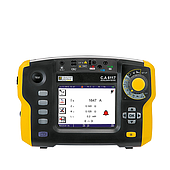
There are many cases of electrical incidents, from loose contacts, aging wires, to current leakage and short circuits that, without the right monitoring equipment, users will not be able to detect until the consequences become serious. Devices such as voltage monitoring meters, leak detectors, thermal imaging cameras, or ground resistance meters are gradually becoming necessary items in modern households, helping to detect and prevent risks from within.
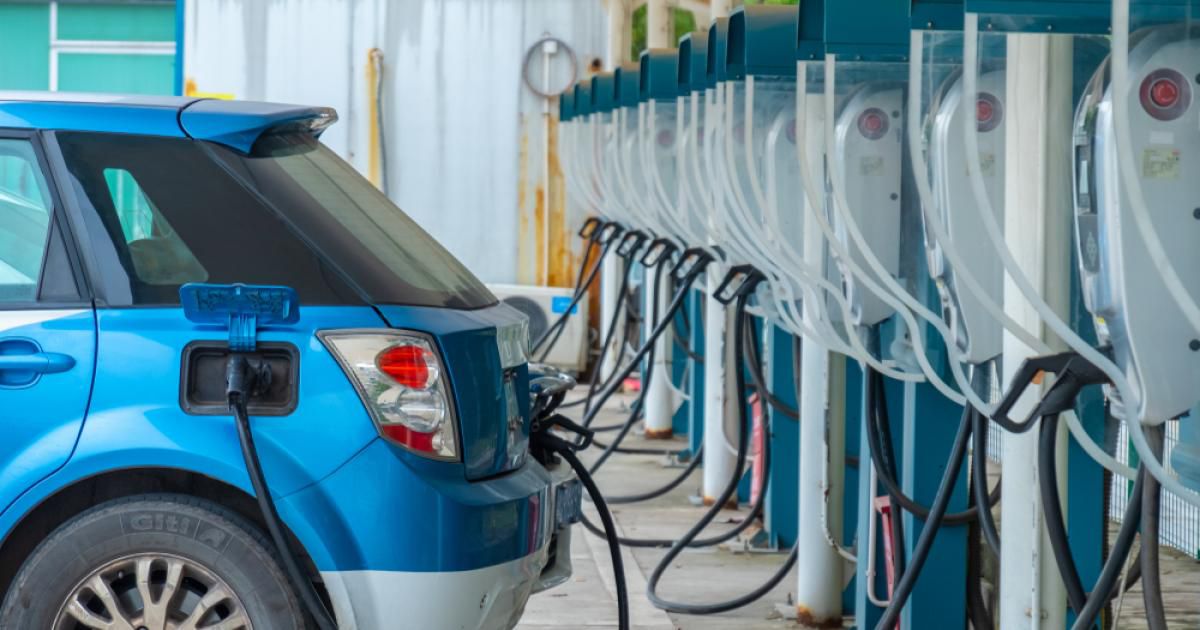
Fully equipping protective devices such as circuit breakers, surge protectors, smart monitoring devices, etc. is a way to protect property, people and the sustainable green lifestyle that is gradually taking shape. Preparation today is the foundation for a safer and more stable electrified future.