Varistors
Transient overvoltage is a common cause of premature failure in power supplies, control boards, industrial electronics, and connected field devices. When a design needs a simple and proven way to absorb surge energy before it reaches sensitive circuitry, Varistors are often one of the first components engineers evaluate.
On this page, you can explore varistors used for surge suppression in a wide range of electronic and industrial applications. The category is relevant for designers, maintenance teams, and sourcing specialists looking to protect AC and DC lines, reduce the impact of switching spikes, and improve the durability of equipment exposed to unstable electrical environments.
Why varistors matter in circuit protection
A varistor is a voltage-dependent resistor that changes its resistance sharply when the applied voltage rises above a defined threshold. Under normal operating conditions, it remains in a high-resistance state. During a surge event, it reacts by conducting excess energy and limiting the voltage seen by downstream components.
This behavior makes varistors useful in power entry stages, industrial control panels, consumer electronics, lighting systems, and many other designs where surge protection is required. They are commonly selected as part of a broader protection strategy that may also include ESD protection diodes for faster low-energy events or complementary fuse-based protection on the line side.
Typical applications and operating context
Varistors are widely used where the electrical environment includes switching transients, induced surges, or repetitive overvoltage stress. In practical terms, that can mean protecting mains-powered equipment, PLC-related electronics, HVAC controls, motor drives, instrumentation, telecom interfaces, and embedded power circuits.
For industrial and OEM users, the selection process usually starts with the nominal line voltage, expected surge level, and the acceptable clamping behavior during an abnormal event. In systems where replaceable overcurrent elements are also used, designers often review related hardware such as a fuse holder to build a more complete protection architecture around the same circuit.
How to compare varistors in this category
The most important comparison points are usually the AC or DC working voltage, varistor voltage, clamping voltage, surge current capability, and energy handling. These parameters help determine whether a device is suitable for low-voltage DC electronics, standard AC mains, or higher-energy transient conditions found in industrial power paths.
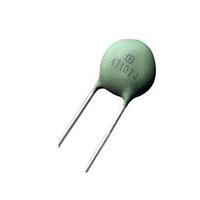
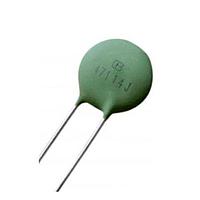
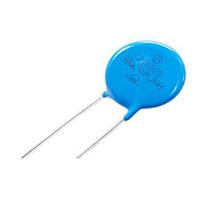
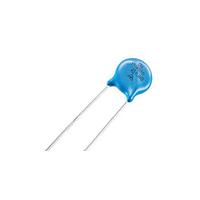
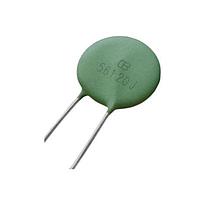
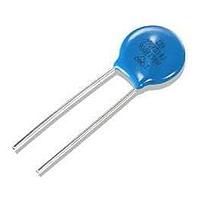
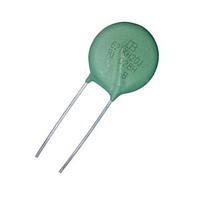
Mechanical format also matters. Many products in this category use radial through-hole construction, which is common in power supplies, control boards, and general-purpose protection designs. Packaging style, body size, and lead arrangement can influence assembly method, replacement strategy, and available board space, especially in compact designs or volume manufacturing.
Representative product examples
Several parts in this category illustrate the range of available protection levels. The Littelfuse V480LTX80B, for example, is positioned for higher-voltage applications and is described with substantial surge and energy handling capability. At another point in the range, the Bourns MOV-10D221K shows how a compact through-hole varistor can be used for more moderate line protection requirements.
Products from KYOCERA AVX further show how selection varies by nominal voltage and packaging. Models such as VE09M00350KDC, VE09M00321KDC, VE09M00301KDR, and VE09M00151KDC cover different working voltage ranges, making them useful examples when matching a varistor to the operating conditions of a specific circuit rather than choosing solely by part size or series familiarity.
Leading manufacturers in the category
This range includes established suppliers commonly specified in protection-focused designs, including Littelfuse, Bourns, Chemi-Con, and KYOCERA AVX. Each is widely associated with circuit protection and passive component portfolios used in industrial, commercial, and embedded electronics.
Brand choice is often influenced by qualification history, preferred sourcing channels, packaging preference, and consistency across multiple programs. In many cases, engineers first define the required electrical window, then compare available series from these manufacturers based on mounting style, surge capability, and fit within the overall protection scheme.
Selection guidance for engineering and purchasing teams
When choosing a varistor, it is important to leave adequate margin between the normal operating voltage and the point at which the device begins to conduct significantly. A part that is rated too low may age prematurely under normal conditions, while a part rated too high may not clamp effectively enough during a transient. This balance is one of the key decisions in overvoltage protection design.
Buyers and maintenance teams should also consider the service environment, including ambient temperature, expected surge frequency, and whether the circuit may require coordinated replacement of related protection parts after a major event. For evaluation or maintenance planning, some teams also use circuit protection kits to review different component types before standardizing on a production BOM.
Where varistors fit in a broader protection strategy
Varistors are effective for absorbing transient energy, but they are typically most effective when used as part of a coordinated design approach. Depending on the application, this can include fuses, holders, PCB layout considerations, grounding strategy, and secondary protection devices for signal lines or sensitive interfaces.
That broader perspective is especially useful in industrial automation and power electronics, where one event can combine high-energy surge behavior with downstream vulnerability in control or communication circuits. Selecting the right varistor is therefore not only about a single component parameter, but about how the device supports system reliability over time.
Find the right varistor for your application
This category brings together varistors for a range of voltage classes, package formats, and protection needs, making it easier to compare options for new designs, repair work, or approved-source purchasing. Whether you are protecting a low-voltage board, a mains input stage, or a more demanding industrial power circuit, the best choice depends on matching the device to the real operating and surge conditions of the application.
Review the available parts by working voltage, clamping characteristics, surge capability, and mounting style, then narrow your shortlist by manufacturer preference and assembly requirements. A careful comparison at the category level can help you identify components that support both electrical protection goals and long-term procurement consistency.
Get exclusive volume discounts, bulk pricing updates, and new product alerts delivered directly to your inbox.
By subscribing, you agree to our Terms of Service and Privacy Policy.
Direct access to our certified experts