For full functionality of this site it is necessary to enable JavaScript.
EMIN.CO.ID
0

Hygro-Thermometer Calibration Procedure

04/26/2021 14:15:29

**1\. Range of application** This technical document specifies the procedure for the calibration of hygro-thermometers with humidity measuring ranges from 20

1. Range of application

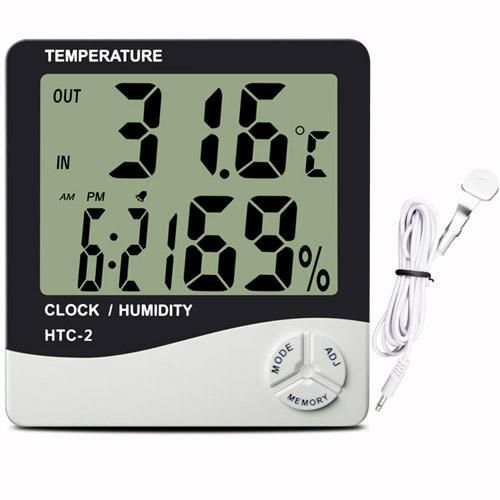
This technical document specifies the procedure for the calibration of hygro-thermometers with humidity measuring ranges from 20 to 90% RH with 0.1% RH accuracy, temperatures from -20 to 150 ° C, accuracy of 0.1 ° C.

2. Calibrating techniques
- Outside check
- Technical check
- Measurement check
- Measurement Uncertainty Evaluation

3. Calibrating instruments

3.1 Standard measuring instrument (s)

Standard Heating & Cooling Chambers:
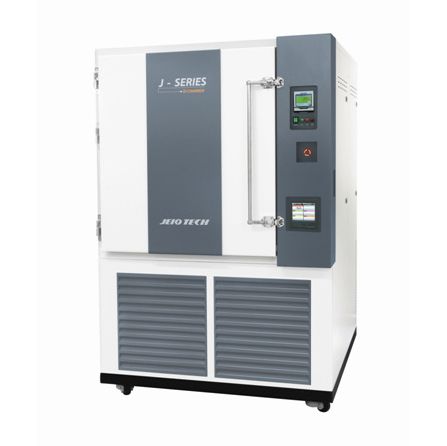

- Range of measurement: (-20 ÷ 150) °C

                                         (20 ÷ 95) %RH

- Accuracy: 0,1 °C

                   0,1 %RH

3.2 Other measuring instrument(s)
Hygro-Thermometer:


- Range of measurement: (0 ÷ 50) °C
- Accuracy: ±0.5 °C
- Range of measurement: (10 ÷95) %RH
- Accuracy: ±3%RH

3.3 Auxiliary Instrument(s)
- Water Distillation Unit
- Decimal Stopwatch/Clock
- Alcohol, dedicated gloves, towel

4. Conditions for Calibration
Temperature: (25 ± 2) °C
Humidity: ≤80 %RH

5. Prepare for Calibration
Prior to the calibration, the following preparations must be done:
- Clean the hygrometer to be calibrated.
- Select a standard suitable for the technical requirements of the equipment to be calibrated.
- Turn on the drying of the hygrometer to be calibrated according to the manufacturer's operating instructions.

6. Begin the calibration
6.1 Outside Check
6.2 Technical Check
6.3 Measurement Check

7. Measurement Uncertainty Evaluation

8. General handling

a. The calibrated Hygro-thermometer is stamped, certified in paper along with calibration results, correction number, and measurement uncertainty at each check point.

b. The recommended calibration cycle of Hygro-thermometer is 12 months.


9. About EMIN's Calibration - Verification - Repair center

EMIN Vietnam’s Calibration and Verification center has been established since 2020 to provide after-sales services. The Calibration and Verification center is thoroughly equipped with technical equipment, followed by the assistance from various equipment manufacturers around the globe. At the center, calibration of specialized equipment is successfully carried out by experienced engineers in EMIN Vietnam, ensuring fast, accurate, reliable procedure to meet the most demanding customers’ requirements). Such technical capacity can only be performed by very few technology businesses in Vietnam. Meanwhile, after tireless effort, the Calibration and Verification center of EMIN Vietnam is officially certified to be accredited by the ISO 17025 standard (Jan, 2021)

If you want your instruments calibrated, please contact:

Equipment Verification - Calibration - Repair Service Center - EMIN Vietnam JSC 

Address: No 11, Hoang Cau Moi Street, Trung Liet Ward Dong Da District, Ha Noi City

Email: services@emin.vn - Hotline: 0968.060.220


Related News

How do HRC, HRB, and HRA scales differ in hardness testing?
06/15/2026 14:30:32

HRC, HRB, and HRA all belong to the Rockwell hardness system but are applied to different material groups. Understanding the differences between HRC, HRB, and HRA helps in selecting the correct testing method, accurately reading specifications, and avoiding unnecessary errors in material quality assessment.

What is the required TDS level for shrimp ponds?
06/12/2026 14:26:27

What is the ideal TDS level for a shrimp tank? Many people spend a lot of time monitoring pH, temperature, and filtration systems but overlook TDS. Only when shrimp grow slowly, their colors fade, they have difficulty molting, or die off sporadically do they start checking their water source and discover that this indicator has long been out of the right range

Signs that the electrodes in your TDS meter are degraded and need replacing
06/12/2026 11:43:51

TDS meters can operate reliably for many years, but the electrodes are the most subject to wear and tear. Each time a measurement is taken, the sensor surface comes into direct contact with water, dissolved minerals, and various other chemical components. This continuous process means the electrode's responsiveness gradually decreases over time.

Stay Updated with Offers

Get exclusive volume discounts, bulk pricing updates, and new product alerts delivered directly to your inbox.

By subscribing, you agree to our Terms of Service and Privacy Policy.

Quick Support

Direct access to our certified experts