Are there solutions to increase quality?
In the face of increasing air pollution, protecting public health with measures to improve air quality has become extremely important. The solutions below not only help reduce pollutants, but also contribute to improving air quality, bringing a fresher, safer living environment for everyone.
In the family:
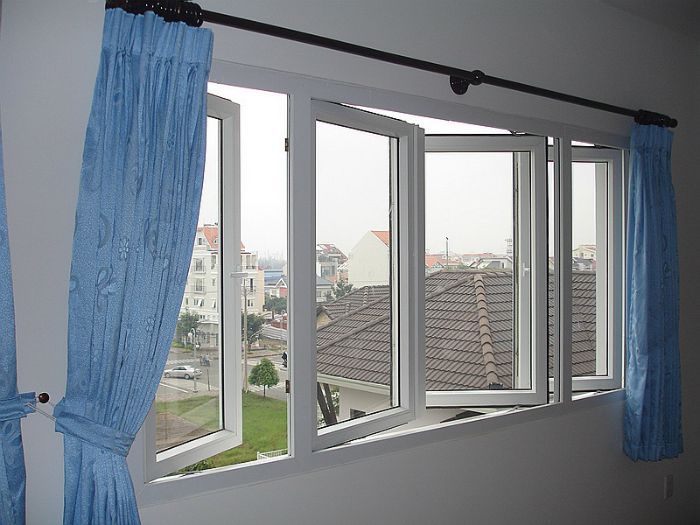
Improving the air quality in your home is essential to protecting your family's health. One of the effective solutions is to use an air purifier, capable of removing fine dust, pollen, bacteria and allergens. Place purifiers in areas such as the bedroom, living room or common room to keep the living space fresh and safe.
In addition, regularly cleaning surfaces and vacuuming carpets and curtains is also important. Using VOC-free paint products and cleaning products helps reduce indoor pollution. Don't forget to make sure the ventilation system is working properly, open windows, use fans or install automatic ventilation devices to circulate air, helping to push polluted air out and bring clean air in. in the house.
In industrial environments
Factories and industrial facilities need to be equipped with effective dust filtration and exhaust gas treatment systems to minimize the spread of toxic gases such as SO2, NOx and fine dust particles. Switching to clean, energy-saving and emission-reducing production technologies, such as electrostatic precipitator technology or dust filtration using cloth bags, are optimal solutions.
In addition, it is necessary to continuously monitor emissions from industrial sources and strictly comply with environmental regulations. This not only helps prevent air pollution but also ensures the surrounding working and living environment is always fresh and safe.
Improve air quality for traffic participants
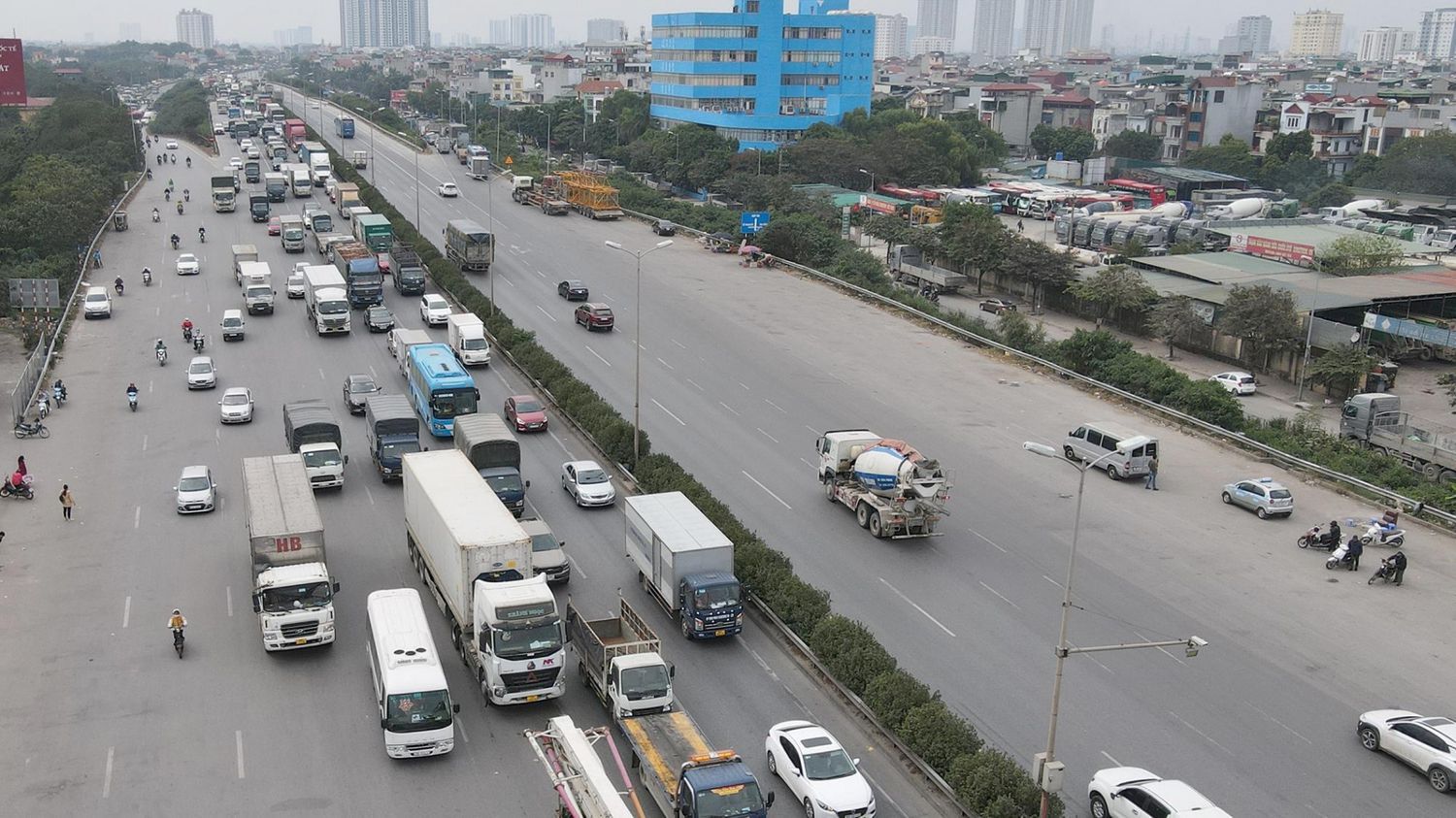
Encouraging the use of public transportation, bicycles, or electric vehicles is one of the effective solutions to help reduce CO2 emissions and pollutants. Limiting personal car use, especially during rush hours, also contributes to reducing traffic congestion and emissions from vehicles. In addition, periodic inspection and maintenance of personal vehicles to ensure efficient engine operation, helping to reduce polluting emissions, is something that needs to be emphasized.
Improve air quality in public areas
The state has been promoting the construction and maintenance of green spaces such as parks, flower gardens, or green median strips on streets. These spaces not only absorb CO2 and other pollutants but also provide fresh air for the community.
Organizing campaigns to raise public awareness about the importance of air quality is also essential. Encouraging people to participate in environmental protection activities is an effective way to create sustainable change. At the same time, the development of smart transport infrastructure, convenient for public transport and non-motorized vehicles, will contribute to reducing congestion and improving air quality.
What are the benefits of using an air quality meter?
- Air quality meter allows continuous monitoring of indicators such as fine dust concentration (PM2.5, PM10), CO2 gas, VOC and other pollutants. Thanks to this accurate information, users can promptly identify air pollution and apply appropriate measures, such as using air purifiers, increasing ventilation or limiting air pollution. polluting activities.
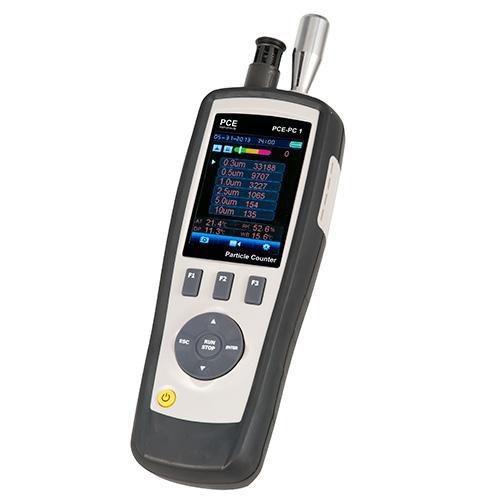
- With data from the air quality meter, users can evaluate the effectiveness of ongoing measures and adjust accordingly. For example, if high CO2 levels are detected indoors at night, windows can be quickly opened or ventilation systems activated to maintain fresh air.
- In industrial environments, air quality meters help continuously monitor emissions and pollutants arising from production activities. This helps implement more effective emissions control and treatment measures, protecting worker health and minimizing environmental impact.
- For public areas, this device helps local authorities monitor air quality and issue early warnings when pollution exceeds safe levels, ensuring public health is promptly protected.
See more types of air quality meters at: EMIN gas quality meter