What Is the Ideal Room Temperature?
A range of 25-27°C is often ideal bring comfort and energy efficiency. However, in reality, many people still experience issues such as air conditioners running continuously, low temperature settings that don’t feel cool, and even significantly higher electricity bills. This suggests that temperature is not only the reason. Another, often overlooked factor is quietly influencing cooling performance: indoor humidity.
So, What Is the Ideal Humidity Level?
In practice, when humidity is maintained between 40-60% and the temperature is set at 26-27°C, the air feels comfortable and cool without needing to lower the temperature further.
High humidity doesn’t just make the air feel stuffy and damp it can also increase the risk of respiratory issues and allergies. It creates an ideal environment for mold and bacteria to grow, and can even damage electronic devices.
When humidity is high:
- Sweat evaporates more slowly from the body
- Heat tends to “linger” on the skin
- The perceived temperature feels higher than the actual measured temperature
This often leads to a familiar reaction: lowering the air conditioner temperature even further to compensate for discomfort. Ironically, this is exactly what causes higher energy consumption.
Why Do Air Conditioners Use More Electricity in High Humidity?
In humid conditions, an air conditioner doesn’t just cool the air it also has to remove excess moisture. This dehumidification process consumes a significant amount of energy, yet it’s often overlooked.
In other words, your AC is solving two problems at once: cooling and dehumidifying.
The higher the humidity, the more energy is required to extract moisture from the air. This explains why many households feel that their AC runs all day without effectively cooling the room while electricity bills continue to rise.
How to Save Energy: Don’t Focus on Temperature Alone
If you measure indoor conditions and find humidity levels above 70%, lowering the temperature to 22-23°C may still not provide comfort while energy consumption increases rapidly. In such cases, using a dehumidifieris a more effective solution to reduce indoor moisture levels.
As electricity costs continue to rise, understanding the relationship between temperature and humidity not only improves living comfort but also offers a smarter way to manage long-term expenses.
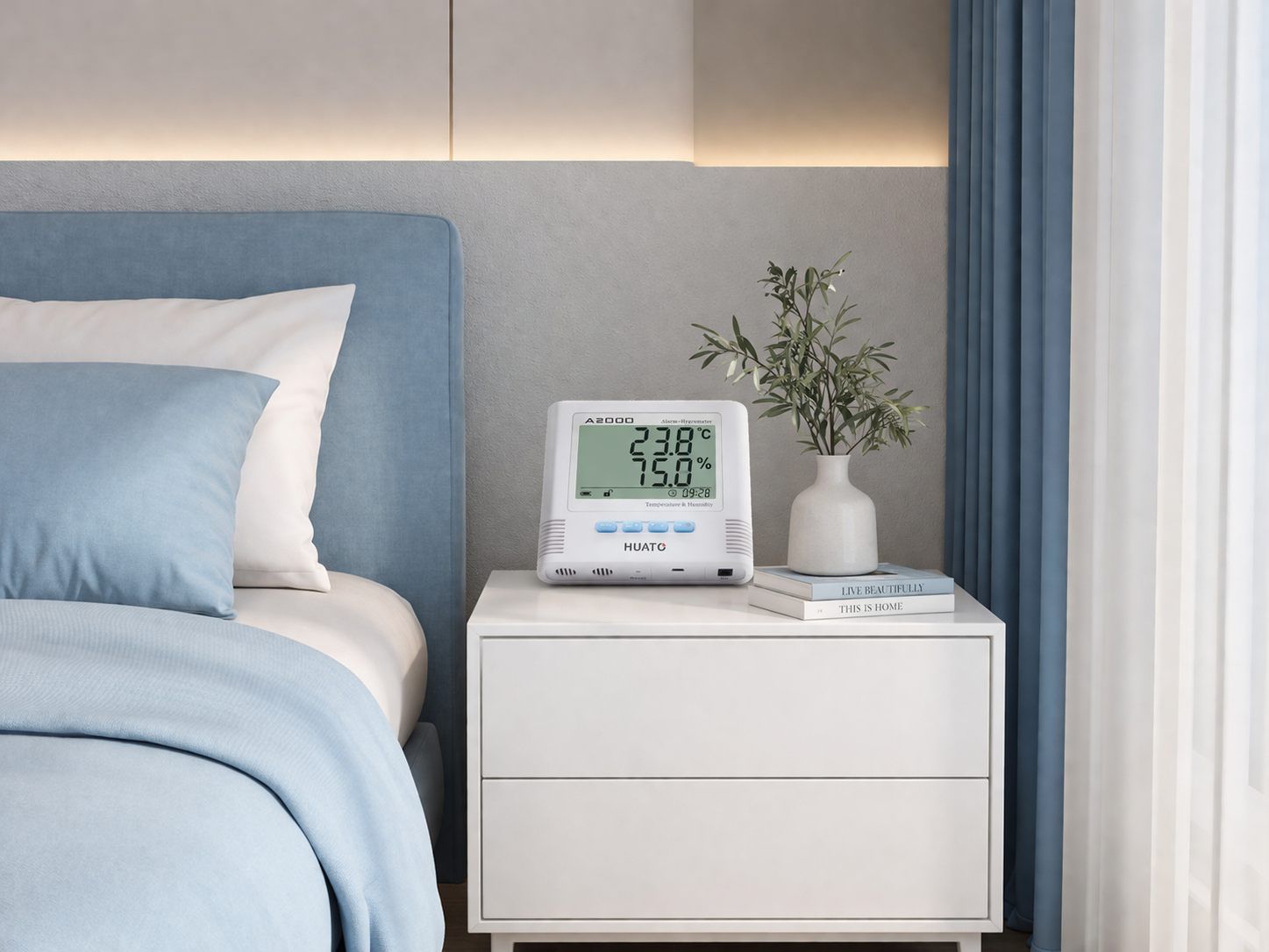
Today, using atemperature and humidity meter is becoming increasingly common, helping users gain accurate data to better control their indoor environment.