For full functionality of this site it is necessary to enable JavaScript.
EMIN.CO.ID
0

Fluke GFL-1500 shortens the time it takes to find ground faults in solar power systems

04/13/2026 11:18:45

Fluke's GFL-1500 helps visually locate ground faults in solar power systems, reducing inspection work and shortening on-site maintenance time

What problems can the GFL-1500 solve?

With conventional testing methods, when a ground fault is suspected, technicians typically have to separate each battery string, measure them sequentially, and eliminate possibilities gradually. This process isn't wrong, but it's time-consuming and prone to interruptions in large systems.

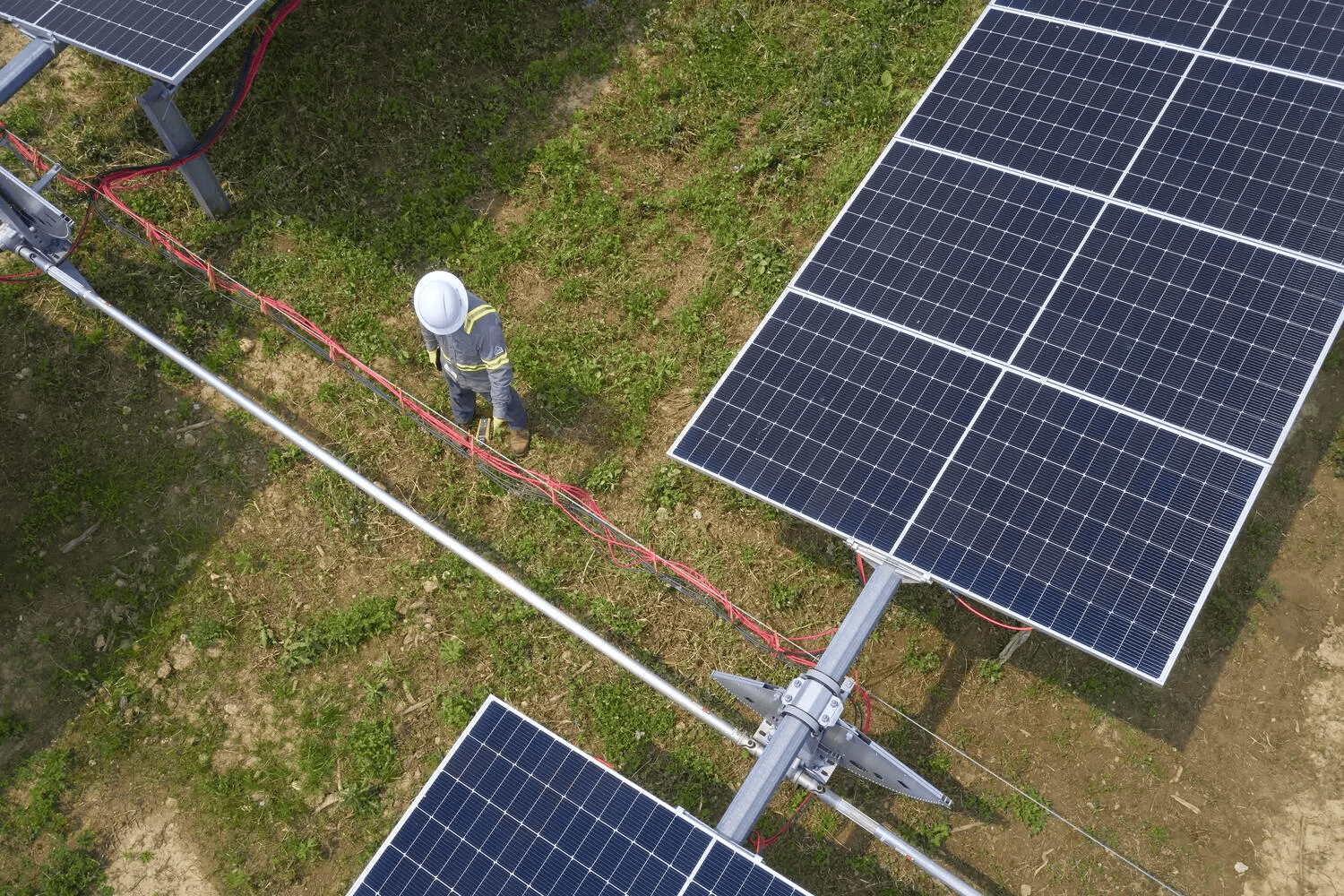
The GFL-1500 is a completely different solution. Instead of splitting the system for testing, the device allows tracing the signal path to directly identify the problem area. This significantly shortens the fault localization time, especially in multi-string systems.
Learn how the device works

The device generates a traceable signal within the system. When a ground fault occurs, the signal changes along its path and is recorded by the receiving device. Users can then monitor this signal to pinpoint the area and location of the fault.

Notably, this process does not require frequent disassembly or disconnection. For systems already in operation, this reduces the impact on overall performance and limits direct contact with live components.

Actual value when implemented in a PV system

When put into use, the GFL-1500 clearly demonstrates its capabilities in three areas:

Reduced fault finding time: no need to check each individual circuit.

Reduced operations: minimizes disassembly and repeated measurements.

Increased safety: less direct contact with high-voltage systems.

For maintenance teams working on multiple sites, shortening each inspection by just a few tens of minutes makes a significant difference over time.

What does the kit include?

At EMIN, a standard GFL-1500 kit from the manufacturer includes:

- Signal transmitter

- Signal receiver

- Tracking pliers

- MC4 test cables and high-rated test cables

The included accessories facilitate connection and operation in the field. This configuration is sufficient for direct testing on most current solar power systems without the need for additional equipment.

When should you use the GFL-1500?

This device is suitable for the following situations:

- System performance degradation with no clear cause

- Suspected electrical leakage or ground fault

- Need for quick testing without prolonged system downtime

- Performing routine maintenance on large-scale systems

In reality, the effectiveness of the GFL-1500 lies in its implementation within a specific system. This is also the topic that will be discussed in depth at the specialized workshop organized by EMIN in collaboration with Fluke in Nha Trang on May 14th.

The workshop will focus on practical testing, signal reading, and how to shorten the troubleshooting process in specific situations. This is often difficult to grasp if you only read the documentation, but it directly determines the effectiveness of its application at the site.

Related News

How do HRC, HRB, and HRA scales differ in hardness testing?
06/15/2026 14:30:32

HRC, HRB, and HRA all belong to the Rockwell hardness system but are applied to different material groups. Understanding the differences between HRC, HRB, and HRA helps in selecting the correct testing method, accurately reading specifications, and avoiding unnecessary errors in material quality assessment.

What is the required TDS level for shrimp ponds?
06/12/2026 14:26:27

What is the ideal TDS level for a shrimp tank? Many people spend a lot of time monitoring pH, temperature, and filtration systems but overlook TDS. Only when shrimp grow slowly, their colors fade, they have difficulty molting, or die off sporadically do they start checking their water source and discover that this indicator has long been out of the right range

Signs that the electrodes in your TDS meter are degraded and need replacing
06/12/2026 11:43:51

TDS meters can operate reliably for many years, but the electrodes are the most subject to wear and tear. Each time a measurement is taken, the sensor surface comes into direct contact with water, dissolved minerals, and various other chemical components. This continuous process means the electrode's responsiveness gradually decreases over time.

Stay Updated with Offers

Get exclusive volume discounts, bulk pricing updates, and new product alerts delivered directly to your inbox.

By subscribing, you agree to our Terms of Service and Privacy Policy.

Quick Support

Direct access to our certified experts