What Is the Main Function of an Air Circuit Breaker (ACB)?
When working in an industrial electrical environment, it is essential to have a device that can both switch the circuit on and off and protect the system from unexpected incidents such as overloads or short circuits. That’s why ACBs, or Air Circuit Breakers, have become a common presence across a wide range of electrical systems—from residential installations to industrial facilities and large-scale power stations. Without such a device, ensuring the stability and safety of an entire system would be nearly impossible.
Beyond this core function, ACBs can also serve as the main breaker for outdoor power lines, thanks to their fast response and high load capacity. Their flexible design and installation options make them suitable for various environments, whether wall-mounted or rack-installed, allowing for easy operation and maintenance. The ability to switch between different protection modes also enhances compatibility with the specific needs of each project.
Today’s market offers a wide variety of ACB models with diverse designs and technical specifications—from low-power options to industrial-grade equipment—giving customers the flexibility to choose based on their exact requirements.
Moreover, modern ACBs are designed to operate reliably in outdoor environments, with corrosion-resistant construction, high-quality components, and compact sizes that do not compromise performance. These devices are typically manufactured using advanced technologies, adhere to international quality standards, and come with clear warranty policies—providing users with peace of mind when investing in their infrastructure.
How Does an Air Circuit Breaker Work?
While the internal structure of an ACB is relatively complex, its operating principle is quite straightforward. Essentially, the device uses compressed air to extinguish the arc whenever a fault occurs, such as an overload or short circuit. The mechanism doesn’t require extensive time or complicated movements—once a fault signal is detected, the system immediately activates the circuit-breaking process using stored energy within the device.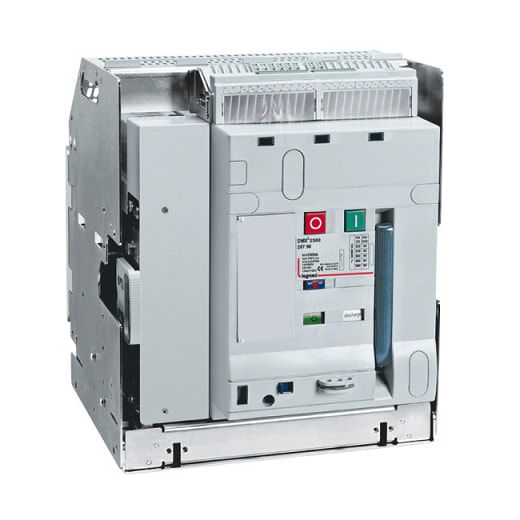
There are three key components within the ACB that determine its operational efficiency:
Arc Chute Assembly: This is where thin metal plates are precisely arranged inside insulated chambers to divide and extinguish the electrical arc. This design ensures rapid arc suppression while minimizing energy consumption and maintaining effective isolation between conductive parts.
2. Contact Mechanism**: The ACB includes both main contacts and arc contacts, typically made from silver alloy. The arc contacts are designed to close before and open after the main contacts, which helps protect the main contacts from erosion due to electrical arcing. This arrangement significantly extends the device’s lifespan without compromising performance.
3. Trip Mechanism**: This is an essential component that ensures the ACB reacts promptly to fault currents. It uses magnetic latching to control the open/close functions. When the current exceeds a predefined threshold, the trip mechanism receives a signal and automatically releases the breaker, effectively protecting the entire electrical system.
We hope the above information has helped you better understand the function and application of Air Circuit Breakers (ACBs) in electrical systems. If you're looking for the right solution for your project or production line, don’t hesitate to contact **EMIN**—we are always ready to support you and help you choose the device that best fits your specific needs.