Explore the properties of water, water is an indispensable resource in daily life. Water can be classified into pure water and drinking water, which are basic elements for human health. Asking the question of whether water conducts electricity is an important step in understanding it. In this article, the team of experts at EMIN will provide detailed information to help you discover the answer.
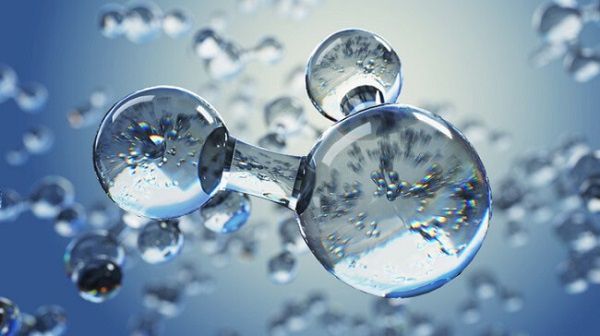
How many forms of water are there?
Due to its ability to dissolve a variety of substances, water is considered an important solvent. In fact, water is called the universal solvent because of its superior solubility compared to other liquids. Currently, water is divided into two basic types:
Pure water, also known as distilled water, is created when water boils and steam condenses. This type of water does not contain minerals and impurities, is the formation of water without special ingredients.
Regular water, widely used in households, tap water, and rainwater, often contains many minerals, chemicals, and dissolved substances such as calcium, magnesium, iron, and sodium. These are typical waters with complex ingredients, meeting the diverse needs of consumers.
Does water conduct electricity?
The question is whether water conducts electricity or not? According to the US Geological Survey, pure water is considered an insulator, unable to conduct electricity, and this is explained through the following reasons:
An electric current is created by the flow of electrical charges such as electrons or ions. For electric current to pass through a liquid, movement of charge must occur within the liquid. Most of the water sources that we come into contact with every day are often not completely distilled and contain many impurities, so the water can become a conductor of electricity.
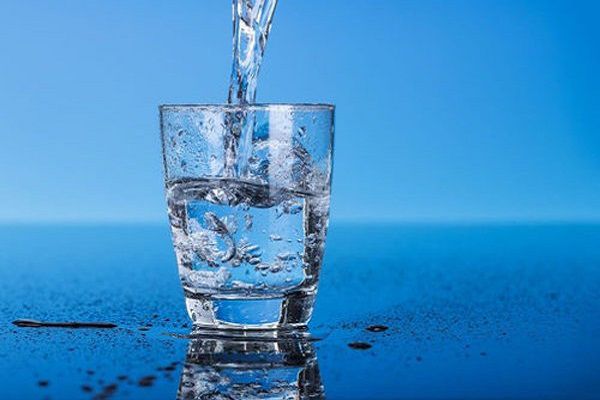
So how does water conduct electricity? In water sources such as tap water, rainwater, and seawater, we often encounter many impurities such as (Na+), calcium (Ca2+), and magnesium ions (Mg2+). These substances are electrically charged, allowing electric current to flow through the liquid as it moves through the water.
In pure water, there are no impurities and therefore no ions, making pure water unable to conduct electricity. However, there are some cases where pure water found and studied may contain small amounts of ions, making their electrical conductivity poor.
At this point, you probably have the answer to the question of whether water conducts electricity. Water itself does not conduct electricity, but it is the impurities in the water that create the ability to conduct electricity. Pure water is considered an insulator. However, finding completely pure water in nature is difficult, so caution should be taken not to mix electricity with water to avoid the risk of electric shock.
Some cheap and good quality water EC conductivity meters can be referred to as follows:
3-in-1 multi-function pen TDS-039: Measures TDS, EC, Temperature\
EC CD-2013 water conductivity meter
The above information helps you have a clearer view on the question of whether water conducts electricity or not. Pure water is considered an insulator, while water commonly used for drinking and household purposes is usually a conductor. If you need to buy a water conductivity meter, please contact EMIN via website or fanpage to receive the most preferential price.