Outstanding Common Features Of Economical And Specialized Wood Saw Blades
Despite their differences in intended use, both types of wood saw blades have important common features, ensuring work efficiency and user safety.
Both economical and specialized saw blades are designed to be compatible with most hand saw machine on the market. They come in a variety of sizes, from popular sizes such as 184mm, 235mm to smaller blades such as 125mm, 165mm (for battery saws), making it easy for you to choose to optimize your work.
Thanks to being made from high-quality alloy materials, both types of saw blades provide smooth cutting, creating smooth cuts with little chipping. This ensures high precision when processing many types of wood materials, from hardwood to engineered wood.
One thing that cannot be ignored is that both types of saw blades are only used for sawing wood. You absolutely must not use them to saw iron, metal or any other material.
The Difference Between Economy and Special Purpose Wood Saw Blades
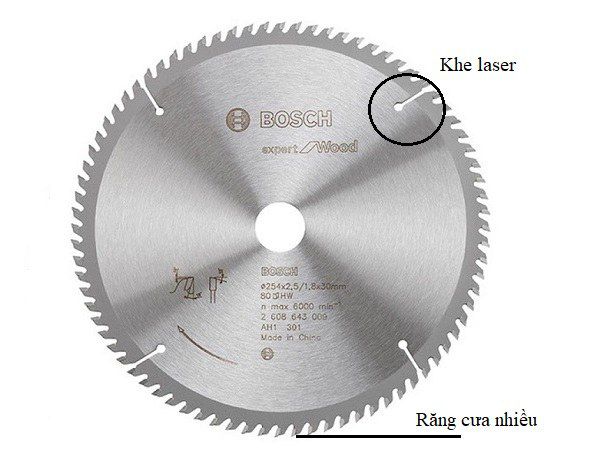
Economical Wood Saw Blade
The biggest difference between a budget saw blade and a special saw blade lies in the design of the saw teeth. Budget saw blades are arranged with more saw teeth (for example, the same size of 235mm but has 100-120 saw teeth), which directly affects the quality of the cut and the working speed.
- Fast speed, saving time: Thanks to the number of thick saw teeth, the budget saw blade has the ability to cut quickly, helping to complete the job in a short time, suitable for projects that require speed.
- Easy to operate and clean: The minimalist design makes disassembling and cleaning the saw blade extremely simple, bringing high convenience during use.
- Reasonable price: Compared to specialized saw blades, economical saw blades are more affordable, a cost-effective choice for basic needs.
Limitations:
- The cutting line is not smooth: High cutting speed comes with the disadvantage that the cutting line is not as smooth and decisive as a specialized saw blade.
- Limited designs: This product often focuses on basic cutting quality, so it is not too outstanding in design and style, leaving users with few choices in terms of appearance.
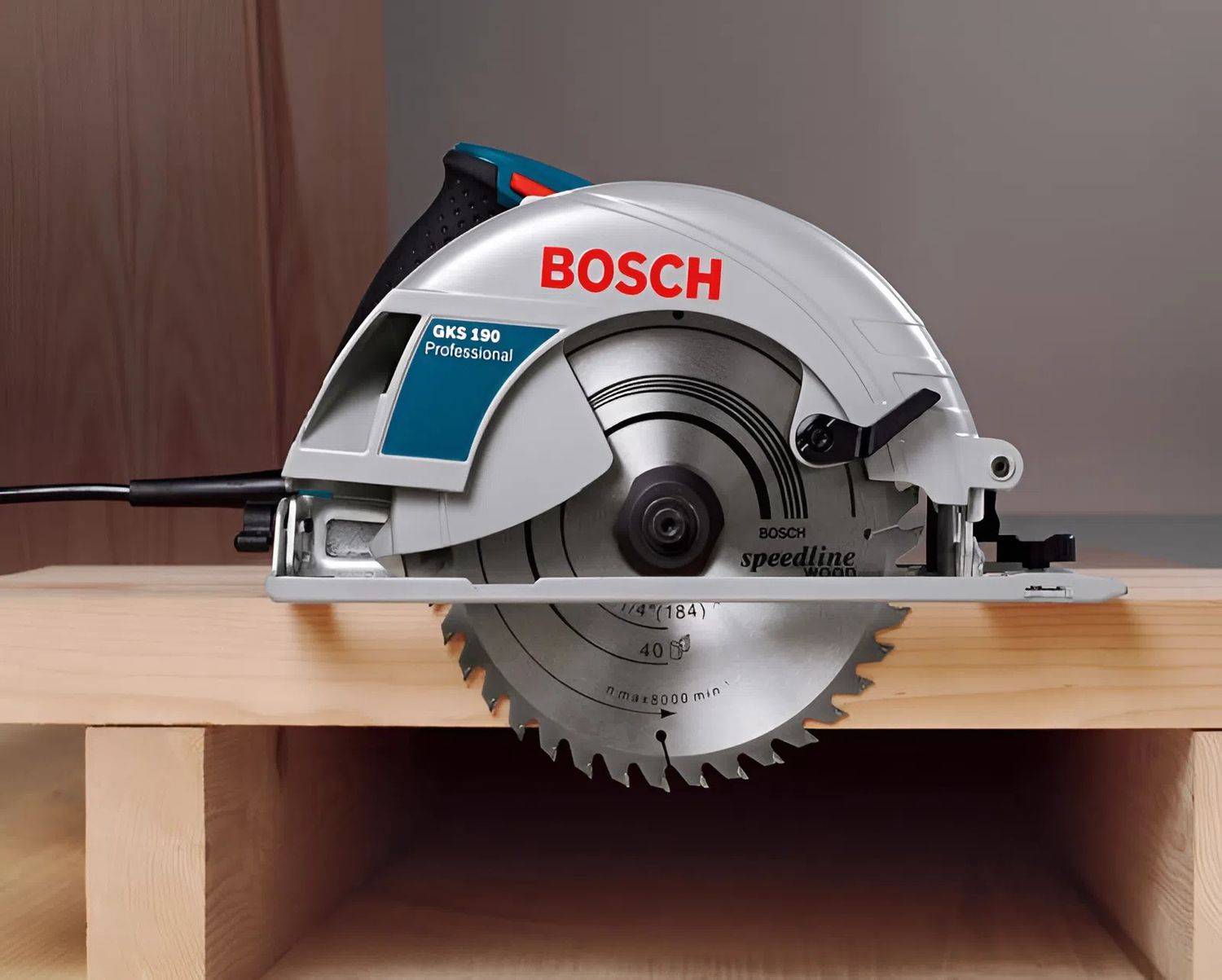
Refer to some models of Circular saws currently available at EMIN:
Special Wood Saw Blades
- Exquisite cutting lines: Special saw blades are forged with a special technique with a "shark" sawtooth design, creating extremely sharp and smooth cuts on many different wood materials.
- Durable, hard to break: Thanks to its toughness and sturdiness, this type of saw blade has a long life, can withstand strong impacts and is difficult to break during use.
- Diverse sizes: They are produced in many more sizes, from 125mm, 150mm, 235mm to 250mm, meeting all different needs and purposes.
Limitations:
High cost: Of course, with superior quality and high durability, specialized wood saw blades are often more expensive than economy saw blades.
Which type of saw blade should I choose?
Choosing the right saw blade depends on your needs and job requirements. Each type of saw blade has its own advantages, helping you achieve the best cutting efficiency if used for the right purpose. After a period of work, do not forget to sharpen the blade to maintain sharpness and a shiny surface, ensuring the desired results.