The mechanism for maintaining the temperature of a refrigerated container
Refrigerated containers maintain temperature using a refrigeration system combined with an insulated shell. Once the operator sets the parameters, the system operates to keep this temperature stable throughout the journey.
Temperature stability is more important than cooling speed. The exact temperature at the time of final inspection does not reflect whether the temperature will fluctuate during transit.
Temperature ranges applicable to each product group
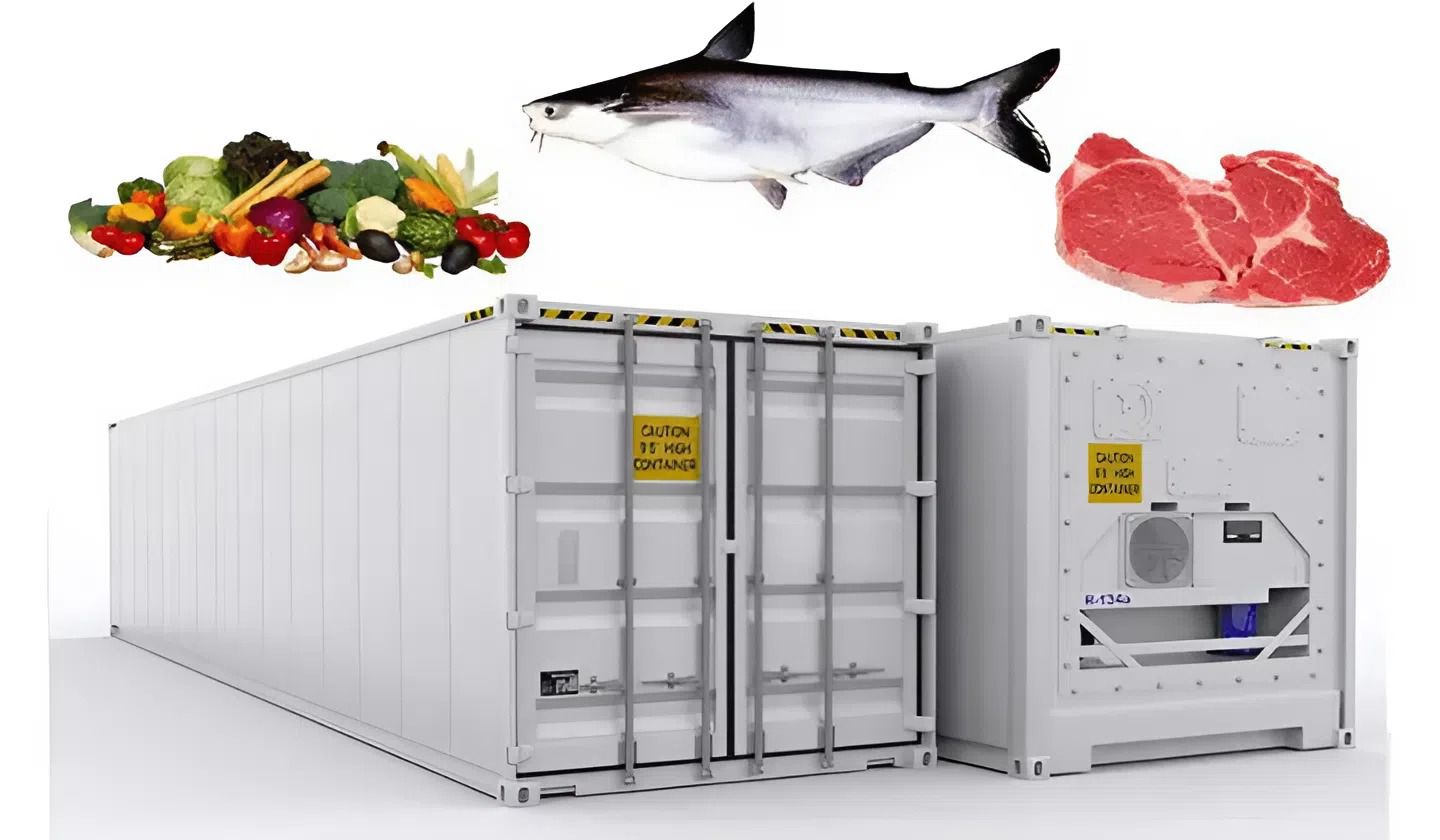
Based on the characteristics of the goods, carriers need to set the following temperatures:
- Deep freezing (-20°C to -30°C): Typically used for seafood or long-term food storage. This category requires constant temperature maintenance with no room for error.
- Medium freezing (-10°C to -20°C): Applicable to processed foods and packaged meats. Temperature changes in this range are difficult to detect with the naked eye, so monitoring equipment is necessary.
- Refrigerated goods and pharmaceuticals (2°C to 8°C): This is a narrow temperature range. The system needs to operate precisely to avoid excessively high or low temperatures that could damage the properties of medications or the freshness of food.
- Specialized goods: Test samples or chemicals may require a wider temperature range, from very low temperatures to high temperatures.
Read more related articles: Is imported frozen meat good? Tips for choosing clean food for your family.
Sharing some methods for monitoring temperature
Temperature readings at both the receiving and delivery ends are only momentary; to ensure quality, shipping companies need continuous data throughout the journey to determine if temperatures exceed acceptable limits at any point and for how long. Automated data logging devices replace manual checks and provide accurate reports. EMIN's supporting equipment assists in monitoring container temperature.
- Elitech RCW-800W-THE: The device supports remote monitoring via WiFi connection. Managers can view data on their phones and receive notifications when the temperature exceeds the set level.
- Elitech RC-5+: This compact USB device is specifically designed to record data for each shipment. After the journey is complete, the device is plugged into a computer to generate a report.
The temperature of a refrigerated container depends entirely on the specific type of goods. Continuous temperature control is the only way to ensure product quality. EMIN provides suitable temperature monitoring equipment solutions for containers and cold storage. Contact us directly for advice on the model that best suits your temperature range and specific needs.