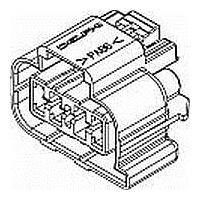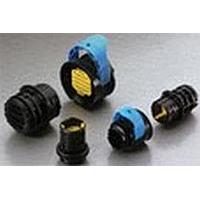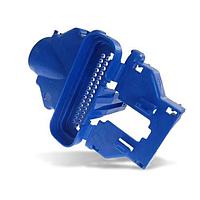
Automotive Connectors
Reliable electrical connections are critical in vehicles, mobile equipment, and transportation electronics, where vibration, temperature changes, moisture, and limited installation space all affect long-term performance. In these environments, choosing the right Automotive Connectors is not only about fit and pin count, but also about serviceability, durability, and compatibility with the broader wiring architecture.
This category supports engineers, buyers, and maintenance teams looking for connector socket solutions used in automotive and vehicle-related assemblies. The range includes board-level and interconnect formats that can be relevant in control modules, harness interfaces, embedded electronics, testing setups, and repair work, depending on the specific design requirement.
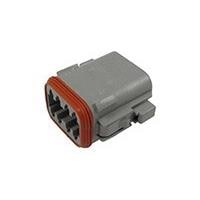
Where automotive connector sockets are typically used
Vehicle electronics depend on stable signal and power paths across many subsystems, from control boards to harness terminations and service interfaces. Connector sockets are often selected where repeatable mating, component replacement, or organized multi-position connections are needed in compact assemblies.
In practical terms, these parts may appear in ECU-related electronics, in-cabin modules, diagnostics hardware, prototyping fixtures, or supporting equipment used around automotive systems. For users comparing adjacent interconnect options, categories such as contacts or cable assemblies can also help define the right connection strategy for the application.
Product formats represented in this category
The products highlighted here show that automotive connector selection is not limited to one physical style. Some items are general connector sockets intended for broader electronic interconnect use, while others clearly point to DIP socket and through-hole board mounting applications that may support automotive electronics development, replacement, or auxiliary hardware.
Examples include the 3M 4824-3004-CP Conn DIP Socket SKT 24 POS 2.54mm Solder ST Thru-Hole Box, the 3M 228-4817-00-0602J Conn DIP Socket SKT 28 POS 2.54mm Solder ST Thru-Hole Box, and the 3M 240-1288-00-0602J DIP Socket. These products illustrate common requirements such as organized multi-position layouts, solder termination, and standard pitch formats used in electronic assemblies. Other parts such as the Amphenol 10034542-10002LF Connector Socket and Amphenol TMM60041 Connector Socket show the broader range of socket styles that may be relevant depending on the interface and packaging constraints.
Key selection factors for automotive applications
When narrowing down connector sockets for vehicle-related use, it helps to begin with the electrical and mechanical basics: number of positions, pitch, mounting method, mating style, and space available on the board or within the enclosure. From there, teams usually evaluate how the connection will behave under vibration, thermal cycling, and repeated insertion or servicing.
Termination method also matters. Through-hole and soldered formats can be attractive where mechanical stability is important, while the overall housing and contact design should support reliable engagement over time. If the connector is part of a larger replaceable system, buyers may also need to consider whether separate keystone connectors or other connector families are more suitable for the final installation environment.
Representative manufacturers and ecosystem fit
This category includes products from recognized connector suppliers such as 3M, Amphenol, and Adafruit. In a sourcing context, these names can serve different needs, from established interconnect lines for production and maintenance to accessible components used in prototyping, lab work, or smaller subsystem builds.
It is important, however, to match the manufacturer and product family to the actual use case rather than selecting by brand alone. In automotive and transportation electronics, the right choice depends on the system architecture, expected duty cycle, service access, and whether the connector is part of a board-level design, a test fixture, or an interface to an external cable or harness.
How to compare products in this range
A practical comparison starts with the physical interface. For instance, parts such as the 3M 264-1300-00-0602J Connector Socket and 3M 37216-62M3-004SC Connector Socket may suit different layouts or mating requirements even if they appear similar at a glance. Reviewing position count, form factor, and integration method helps avoid costly mismatch during assembly.
Users working on modular vehicle electronics should also distinguish between sockets intended for direct PCB population and parts used as part of broader connection systems. If the project extends beyond board interfaces into test leads or service connections, related categories like banana and tip connectors may be useful in bench, diagnostic, or validation setups.
Examples from the current assortment
The assortment includes several parts that help illustrate the category’s range. On the 3M side, products such as the 4824-3004-CP, 228-4817-00-0602J, and 240-1288-00-0602J reflect common socket configurations used in through-hole electronic assembly. These are relevant where structured pin layouts and dependable soldered installation are priorities.
Amphenol examples such as the 10034542-10002LF, TMM60041, and M39029/56-351 point to alternative connector socket options for applications requiring different interconnect formats. Adafruit 2204, 2205, and 2206 are also present, which may be useful in development environments, educational prototyping, or smaller electronic builds connected to automotive-related projects.
Choosing with long-term maintenance in mind
For B2B buyers, connector selection should support not only initial assembly but also field maintenance, replacement planning, and documentation control. A connector that fits the circuit but complicates inspection, rework, or spare part management can create avoidable lifecycle costs.
That is why a good selection process looks beyond part naming and focuses on the full interconnect context: board design, mating counterpart, installation method, service access, and environmental exposure. In many cases, clarifying these points early leads to better consistency across production, repair, and inventory management.
Final considerations
Automotive connector sourcing is most effective when the electrical interface, mechanical format, and operating environment are evaluated together. This category brings together connector socket options from established manufacturers and gives engineering and procurement teams a practical starting point for comparing suitable parts.
If you are selecting for a new design, retrofit, or replacement workflow, focus on the required position count, mounting approach, and expected operating conditions first. That makes it easier to identify the most appropriate connector socket for your vehicle electronics or automotive support application without overcomplicating the selection process.
Get exclusive volume discounts, bulk pricing updates, and new product alerts delivered directly to your inbox.
By subscribing, you agree to our Terms of Service and Privacy Policy.
Direct access to our certified experts