Can a DC Clamp Meter Maintain an Entire Industrial Plant?
11/27/2025 13:44:11
Did you know that the DC clamp meter is not just a specialized measuring device, but is rapidly becoming an indispensable tool for maintenance in modern industrial plants? With technological advancements, DC clamp meters are constantly being improved, integrating smarter, more accurate features, and offering exceptional convenience for use across various types of equipment.
Are AC/DC and AC Clamp Meters More Expensive and Worth It?
Beyond simply measuring current, DC clamp meters generally come with a higher price tag than AC-only models due to several unique technical reasons. Firstly, DC clamp meters rely on the Hall effect sensor to detect current, which requires a more complex sensing assembly for accurate readings.
Furthermore, clamp meters equipped with the True RMS function (measuring the true effective value of the current, even if the waveform is complex or distorted) have an even higher cost because they integrate advanced measurement technology, ensuring absolute accuracy in all situations.
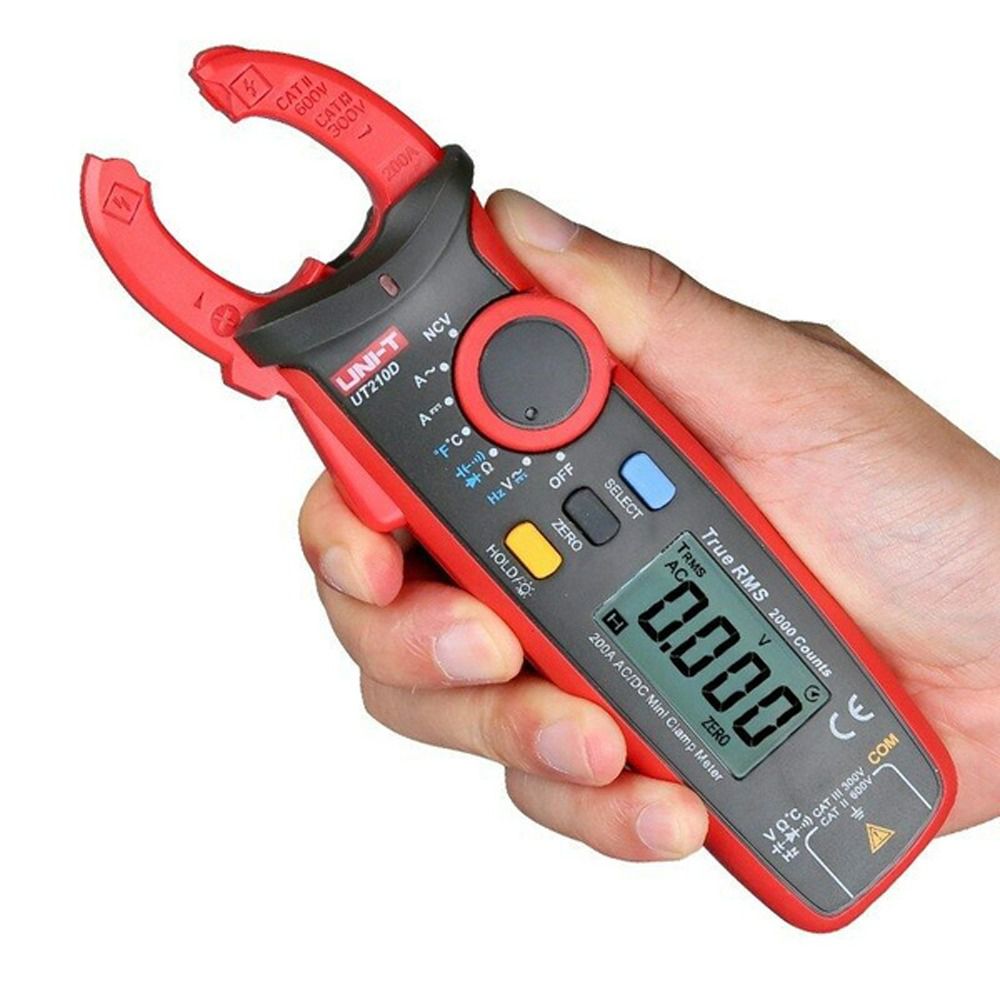
The UNI-T UT210D Clamp Meter, featuring True RMS and the ability to measure both AC and DC current, displays highly accurate results, making it suitable for industrial environments that demand high operational efficiency. This explains why DC clamp meters are generally priced higher than conventional AC current measurement devices.
Popular Clamp Meters Today
Can a DC Clamp Meter Maintain an Entire Plant? What Types of Machines Require It?
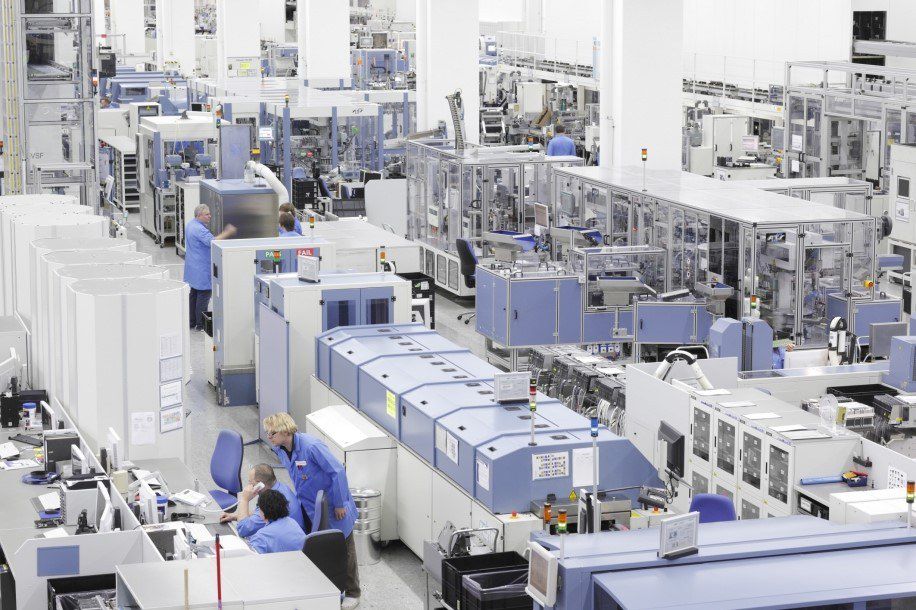
The answer is yes, but only if you clearly understand the device's scope and features. However, it is only one part of the overall measurement and inspection toolkit. That said, DC motors are common components in:
⦁ Hydraulic pumps and industrial fans, used to control flow and pressure.
⦁ Industrial robots and automation equipment operating production lines.
⦁ Forklift systems and internal electric vehicles in warehouses.
⦁ Press machines and CNC cutting machines that require high torque and flexible speed control.
⦁ Solar power systems with batteries and accumulators storing DC power.
While it cannot check every type of machine current, DC current is present across all critical equipment categories in the plant. Using the DC clamp meter in parallel with devices for measuring voltage, resistance, power quality analysis, and other modern sensors will provide a more comprehensive view of the machinery and electrical system status.
Applications in the Plant
How to Optimize Inspection Time with a DC Clamp Meter?
First, checking the motor's inrush current (starting current) is a key indicator of the machine's health. If the starting current is too high compared to the manufacturer's specifications, the motor may be overloaded or at risk of failure.
Next, measuring the periodic operating current is also essential for assessing machine performance. Current that is too low or too high signals an abnormality, such as worn bearings or damaged windings. Plants commonly keep clamp meters like the UNI-T UT210D readily available for various measurement scenarios.
An all-in-one testing solution that complies with the international standard IEC 60364-6. It features a 5.7-inch color graphical display, supports Type B RCD testing, includes memory for 1,000 measurements, and is equipped with a Lithium-ion battery providing 30 hours of continuous operation
Deciphering optical phenomena such as specular and diffuse reflection, distinguishing between SCI and SCE measurement modes, and providing guidance on using a combined colorimeter and glossmeter to accurately isolate color defects from surface gloss defects
In the middle of the night shift, a batch of light-gray plastic emerged, streaked with debris. The machine operator took one look and did what came most naturally: he cranked up the screw speed and increased the back pressure to ensure the orange-colored pellets melted completely. By morning, the color was indeed more uniform. A few weeks later, the customer returned the entire shipment the products had become brittle, cracking at the slightest impact, and the color varied from one delivery to the next, failing to match the approved standard
Diagnosing the causes of plastic color variation, managing metamerism, distinguishing between SCI/SCE measurement modes, and applying Delta E standards for color deviation assessment in QA/QC
On the afternoon of October 19, 2026, the workshop “Solutions for Optimizing Performance and Ensuring Safe Operation of Solar PV Systems” was successfully held at Khanh Hoa College of Technology and Energy.
Stay Updated with Offers
Get exclusive volume discounts, bulk pricing updates, and new product alerts delivered directly to your inbox.